
Last updated October 15, 2026
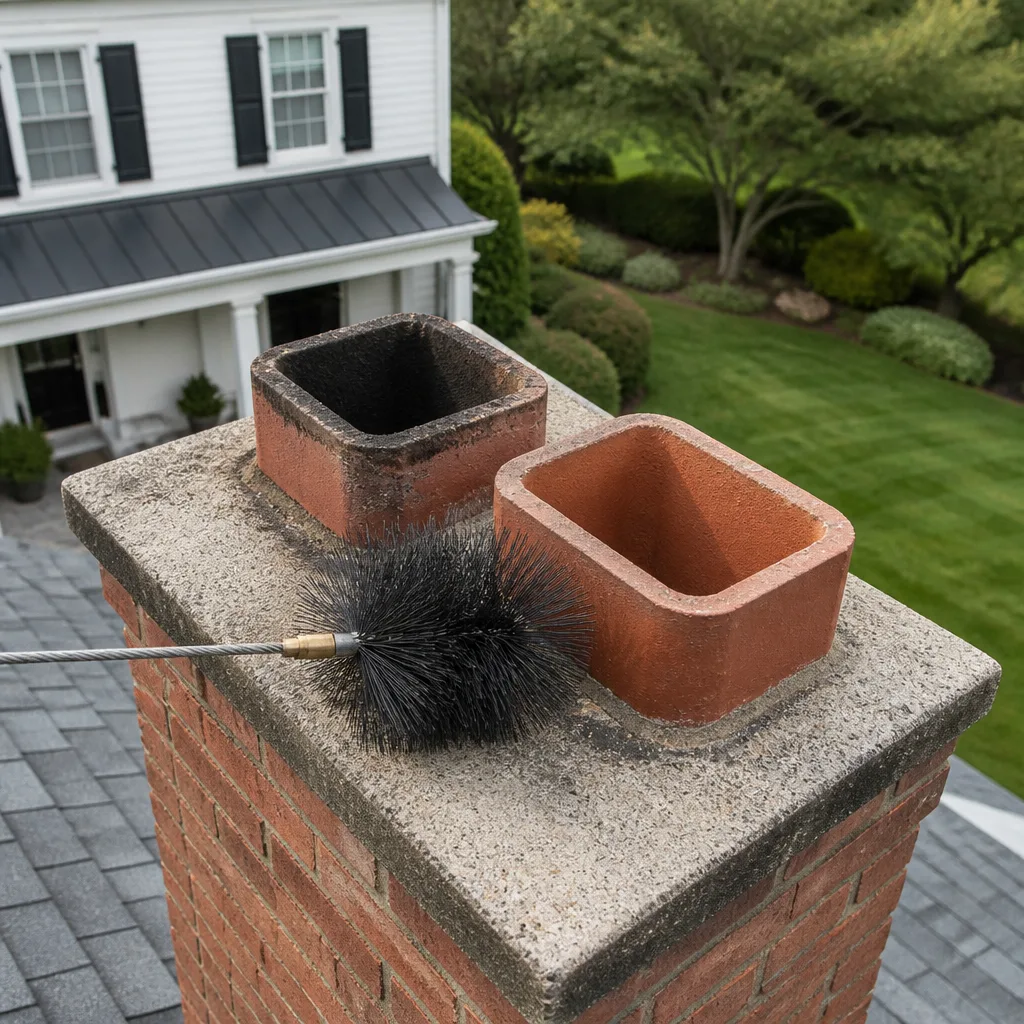 Sweep & inspection
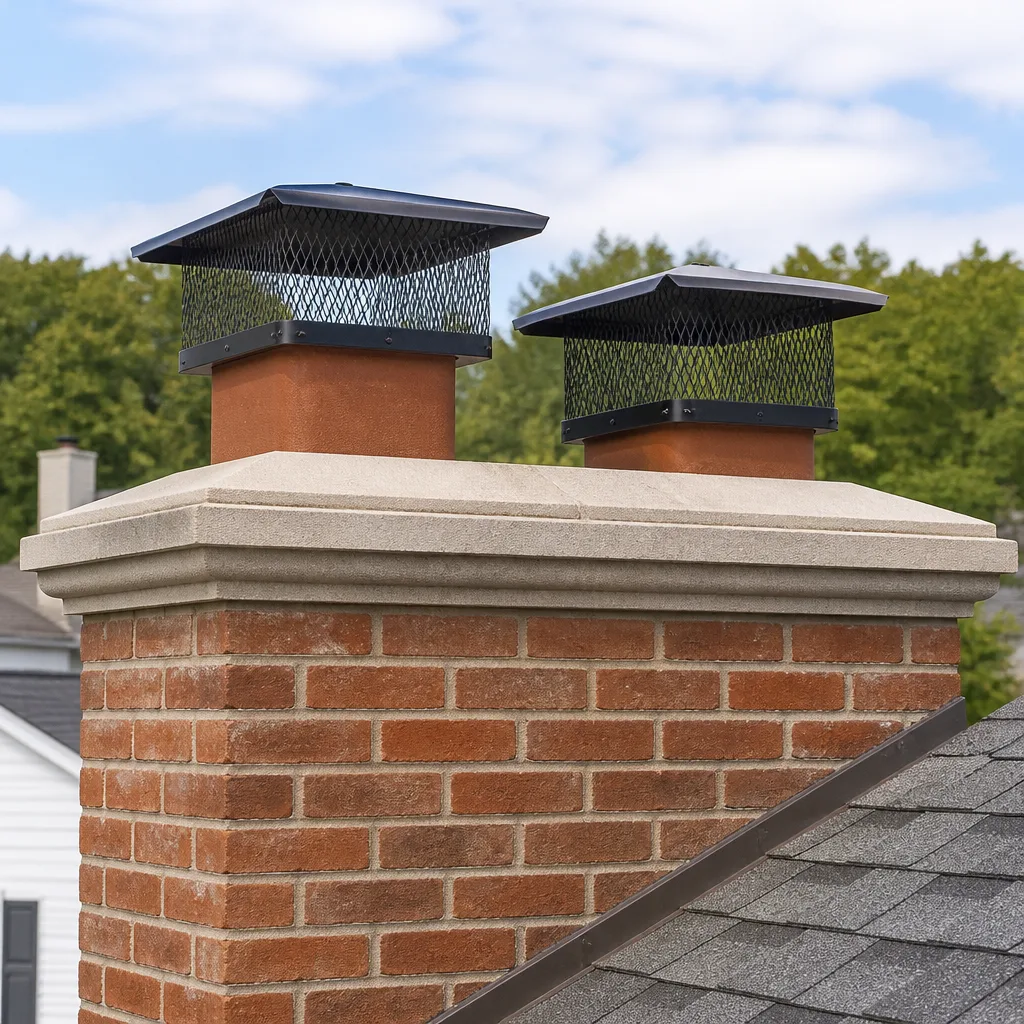 Caps & crowns
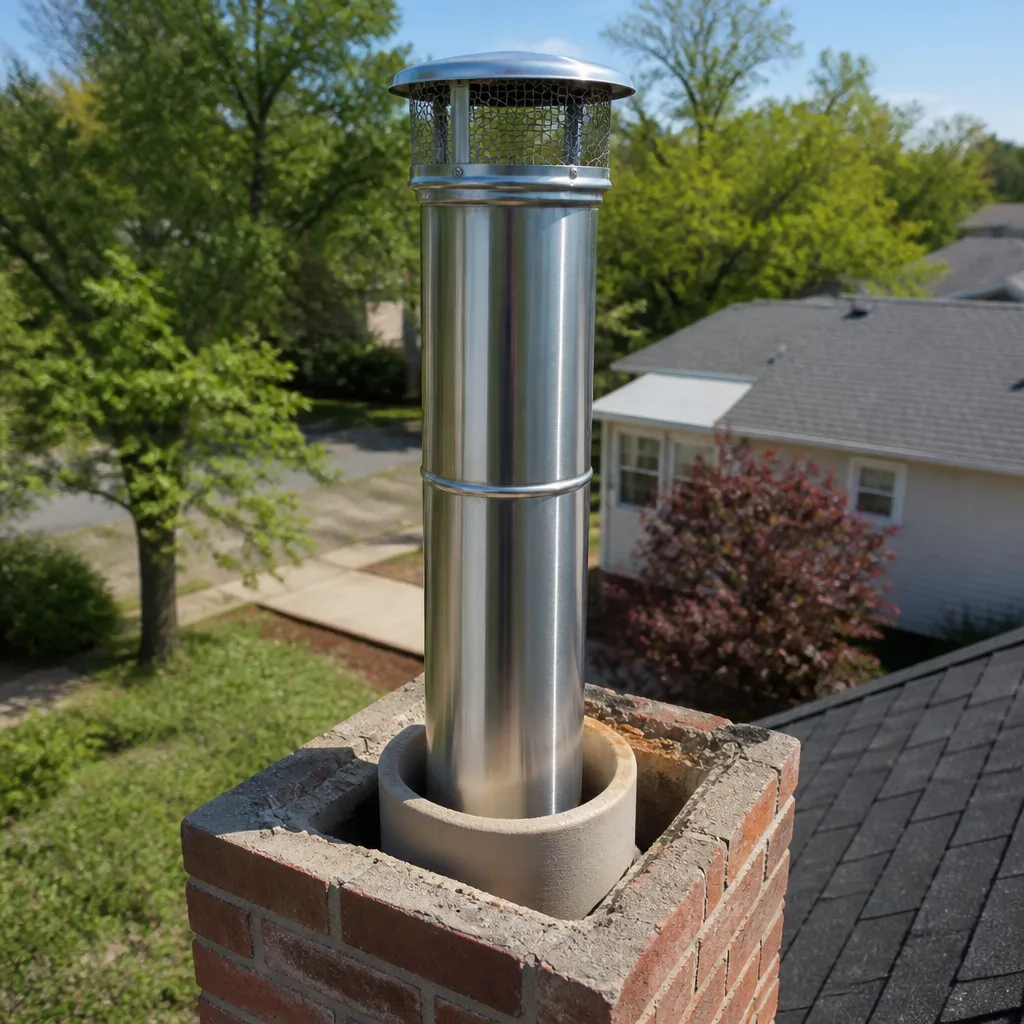 Flue relining
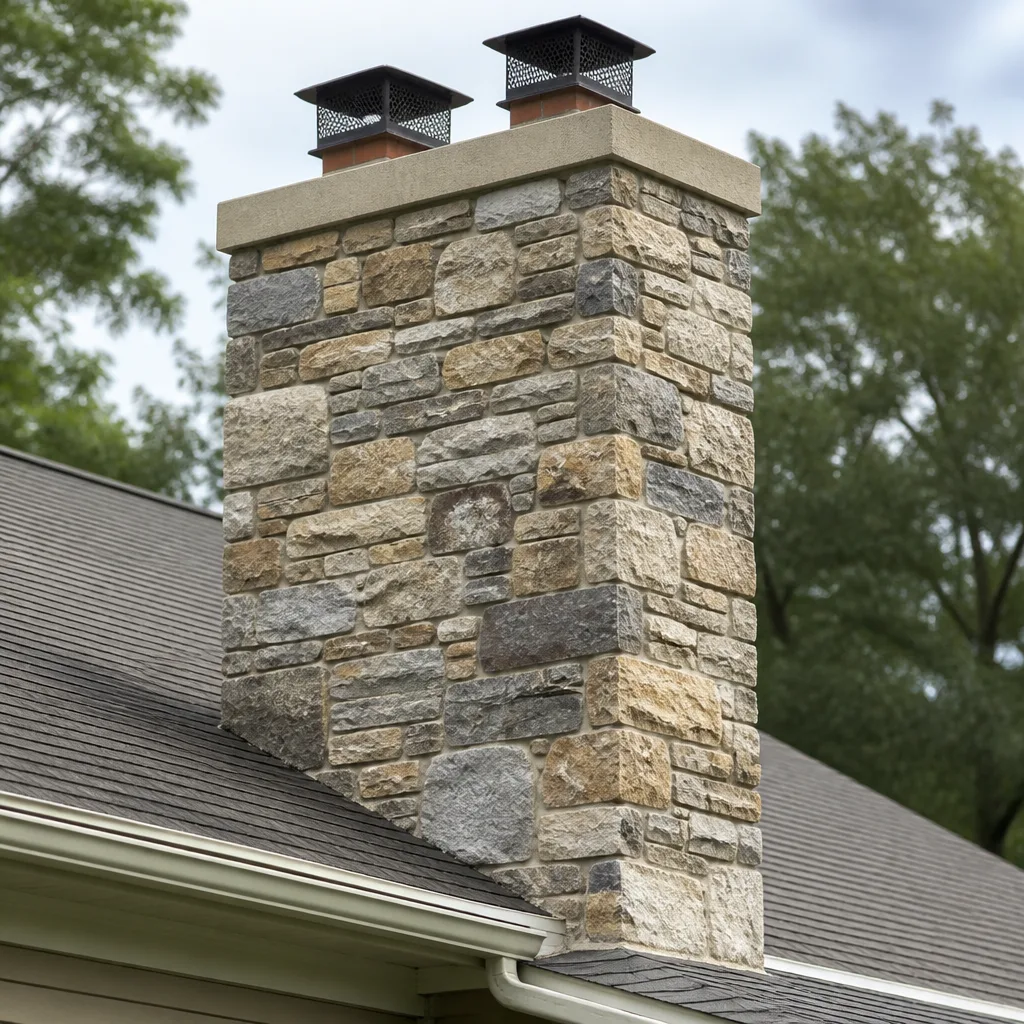 Masonry repair
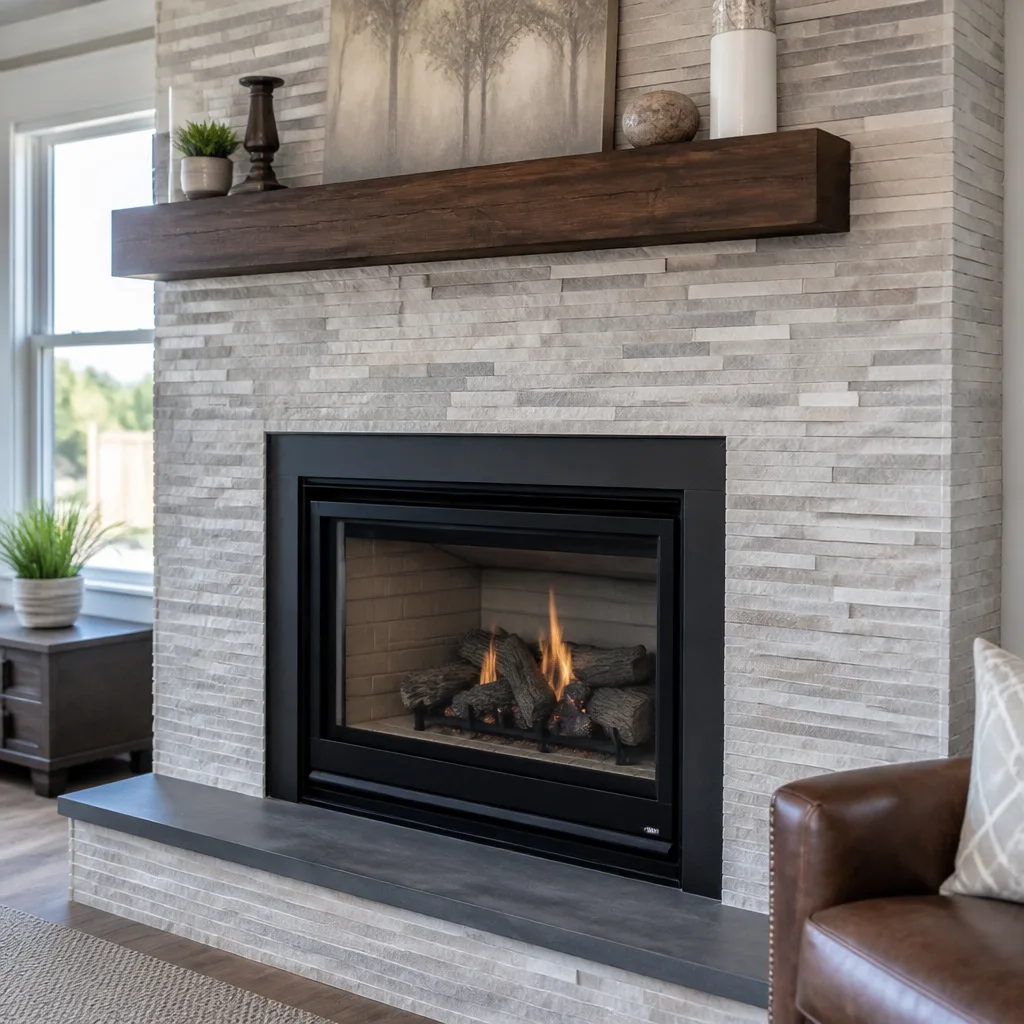 Gas fireplace service
Level 1 sweep and inspection to the NFPA 211 annual standard - flue, crown, cap, and flashing checked and photographed
Chimney sweep logs do not sweep chimneys. They loosen some creosote - which then falls where a brush and vacuum still have to collect it.
Chimney Cleaning Cost Breakdown: The Atlanta Homeowner’s Reference for 2026
Here’s a number that catches most Atlanta homeowners off guard: chimney cleaning prices across metro Atlanta vary by nearly 300% for what is often the exact same service. A sweep in Decatur might run $99 while a company in Sandy Springs quotes $349 for the identical flue. The difference rarely comes down to quality. It comes down to opacity. This guide breaks down every line item, every add-on, and every legitimate variable so you can compare Atlanta chimney quotes the way you’d compare flights: same route, same day, actual numbers. You’ll learn what a sweep should include, what a camera inspection actually shows you, and which add-ons are worth paying for versus which ones exist because a commission is attached.
Styles & brands we work with
Quick Answer
A standard chimney sweep in Atlanta costs $150 to $300 for most homes in 2026. That price should include a full flue brushing, firebox cleanup, and a basic visual inspection. Add a camera inspection and you’re looking at $250 to $450 total. Homes with heavy creosote buildup, tall flues, difficult roof access, or gas fireplace service will land at the higher end of that range.
Table of Contents
- What a Chimney Cleaning Actually Includes: The Component Breakdown
- 2026 Atlanta Price Ranges for Five Common Service Combinations
- What Legitimately Changes Atlanta Chimney Cleaning Prices
- Add-Ons Explained: Legitimate Upsells vs. Fabricated Urgency
- What a Written Price Before Work Begins Should Contain
- How Often Should You Clean Your Chimney in Atlanta?
- What Actually Happens If You Skip the Sweep
- Common Mistakes to Avoid
- When to Call a Professional
- Frequently Asked Questions
- The Bottom Line
What a Chimney Cleaning Actually Includes: The Component Breakdown
Here’s what happens when you book a chimney sweep in Atlanta, what the tech checks, and what the photos will show you. A legitimate chimney cleaning is never just running a brush up and down a flue. It’s a multi-part service that should be itemized on your estimate. Here’s how the components actually break down:
- Sweep only (the brushing): $80 to $150. The technician runs a wire or poly brush through the flue to dislodge creosote (the flammable tar buildup that makes chimneys a fire risk) and soot. This is the baseline service, and it’s what a $99 special covers. The problem: a sweep alone tells you nothing about the condition of your flue liner, mortar joints, or the chimney crown.
- Firebox and smoke chamber cleanup: $40 to $80. Soot and ash accumulate in the firebox (where you build the fire) and the smoke chamber (the angled section above the damper that funnels smoke into the flue). A proper cleaning includes vacuuming these areas, not just the flue itself.
- Basic visual inspection: Usually included, sometimes a $25 to $50 line item. The tech looks down the flue with a flashlight, checks the damper operation, and examines the exterior chimney from the ground. This catches obvious problems: cracked cap, missing mortar, animal nests.
- Camera inspection: $100 to $175. A small camera is fed through the flue and records video of the full liner surface. This is the only way to see hairline cracks in clay tile, separation between liner sections, or pinholes in a stainless liner. At Hadley Chimney Atlanta, we include photo documentation with every sweep because you should see what we see. This is the difference between being told you need a new liner and being shown a video of why.
- Creosote treatment (when needed): $50 to $100. For heavy glaze creosote (the shiny, hardened stage three buildup), a chemical treatment is applied to break it down before or after brushing. This is occasionally necessary in Atlanta homes where fireplaces get used heavily in a short winter season.
- Chimney cap replacement or installation: $100 to $350. The cap sits on top of the flue and keeps rain, birds, and debris out. If your cap is rusted through or missing, water gets into the flue and accelerates liner damage. This is a common Atlanta issue because our summer humidity and frequent rain punish exposed metal.
When you book through our Chimney Sweep in Atlanta page, you get one written price that covers the full sweep, firebox cleanup, and inspection. No line items surprise you at the door.
2026 Atlanta Price Ranges for Five Common Service Combinations
Most Atlanta homeowners don’t need a sweep alone or a full Level 2 inspection alone. They need a combination. Here are the five most common service packages we quote across metro Atlanta in 2026, with context for what pushes a job to the high or low end:
- Sweep + basic inspection (the annual maintenance standard): $150 to $275. This covers the full brushing, firebox cleanup, damper check, and visual inspection. Homes with a single-story chimney and a straight flue land at the bottom. Steep roofs, two-story fireplaces, or caps that require ladder work push toward $275.
- Sweep + camera inspection (the see-it-yourself package): $250 to $450. The camera inspection adds real diagnostic value. If you’re buying a home, just moved in, or haven’t had a sweep in three-plus years, this is the package we’d recommend. You’ll leave with a video file and a straight answer about whether your liner needs attention now or can wait.
- Sweep + Level 2 inspection (real estate transactions and post-fire inspections): $350 to $600. A Level 2 inspection is the formal, standards-based inspection required by most Atlanta mortgage lenders when a wood-burning fireplace is included in a sale. It includes the camera, the full sweep, and a written report. Read more about what’s covered on our Chimney Repair in Atlanta page.
- Gas fireplace service + chimney clean: $175 to $300. Gas fireplaces still need cleaning. The logs accumulate dust, the pilot assembly gets coated with carbon, and the venting needs checking. If you have a gas log set in a masonry firebox, the chimney still gets creosote if you ever burn wood in it. Our Gas Fireplace Repair in Atlanta page covers what gas-specific service includes.
- Sweep + minor repairs (cap replacement, flashing seal, damper adjustment): $300 to $700. This is the “clean and fix the obvious” package. The sweep happens, and small issues get addressed in the same visit. The written estimate separates the cleaning cost from the repair cost so you can approve each line item independently.
Those are the real 2026 numbers for Atlanta’s market. If you’re seeing a quote far below these ranges, check whether it actually includes the full firebox cleanup and inspection, or just a brush run. If you’re seeing far above, ask for the itemized breakdown. A lump-sum quote of $500 for a “chimney cleaning” with no line items is a red flag.
What Legitimately Changes Atlanta Chimney Cleaning Prices
Not all price variation is shady. Some homes cost more to clean because they physically require more work. Here are the variables that actually justify a higher quote:
- Flue height and diameter: A standard single-story flue is 13 to 15 feet of vertical liner. A two-story home in Virginia-Highland with a steep pitched roof can have 25 to 30 feet of flue. That’s more surface area, more brush passes, and more time on the ladder. Taller flues also tend to have more creosote per foot because smoke cools as it rises and deposits more tar on the upper sections.
- Liner type: Clay tile liners are rough and porous, so creosote adheres to them more aggressively than to smooth stainless steel. Homes built before the 1980s in neighborhoods like Kirkwood, Grant Park, and East Atlanta almost always have clay tile liners. Those cleanings take longer and more aggressively. Stainless liners, like those from Olympia Chimney or DuraFlex, shed creosote more easily and clean faster.
- Access difficulty: An Atlanta bungalow with a gentle roof pitch and a chimney cap reachable from a six-foot ladder is a fast job. A three-story home in Midtown where the chimney sits behind a parapet wall or requires a roof harness changes the labor math. Some Atlanta roofs are steep enough that OSHA fall-protection equipment is required, and that adds time and cost.
- Creosote stage: Stage 1 creosote is flaky soot. Stage 2 is a granular, crusty buildup. Stage 3 is glazed, hard, shiny tar that can require chemical treatment and multiple passes. Homes in Buckhead or Sandy Springs that burn unseasoned wood or use the fireplace every night in January often need stage 3 removal. That’s legitimately more work.
- Obstructions: Bird nests, squirrel nests, and dead animals in the flue are common across Atlanta’s tree-heavy neighborhoods. Removing an obstruction before brushing adds 20 to 40 minutes and may require a separate tool. It should be a line item, not a surprise.
We’ve seen two Atlanta homes on the same street, same builder, same liner, where one clean took 45 minutes and the other took two hours. The difference was creosote stage and roof pitch. A written estimate before work means you know which end of the range you’re on before the brush goes up.
Add-Ons Explained: Legitimate Upsells vs. Fabricated Urgency
Here’s the part most Atlanta chimney companies won’t write down. There are add-ons that genuinely protect your home, and then there are add-ons that exist because a technician’s commission depends on them. Here’s how to tell them apart:
Legitimate add-ons (worth the money)
- Camera inspection during the sweep: Legitimate. Without one, no one can tell you whether your clay tile liner has a hairline crack. You cannot see that with a flashlight. Paying an extra $100 to $150 for video proof of your liner’s condition is the single most valuable add-on a chimney company offers. If a company tells you a liner is cracked but did not use a camera, ask for the video. If they don’t have one, get a second opinion.
- Chimney cap installation: Legitimate. An uncapped flue in Atlanta means rainwater enters the liner year-round. Atlanta gets 50 inches of rain annually. Water plus creosote creates an acidic slurry that eats mortar and damages clay tile. A $150 to $300 cap is cheap insurance compared to a $3,000 liner replacement.
- HeatShield or similar ceramic liner repair: Legitimate when documented. If a camera inspection shows minor gaps or cracks in a clay liner, a ceramic resurfacing like HeatShield can restore it for a fraction of a full stainless liner replacement. The key is that it should only be recommended after the camera shows why it’s needed. We repair with HeatShield and similar brands from Copperfield because they’re systems chimney pros actually rely on, not whatever is cheapest on the truck.
- Water repellent application on masonry: Legitimate. Chimney masonry in Atlanta is battered by heat, humidity, and rain. A breathable water repellent like Gelco protects brick and mortar without trapping moisture. It’s optional, not urgent, but it’s a real protective service.
Fabricated urgency add-ons (the red flags)
- “Your liner is cracked and needs immediate replacement” without camera video: Red flag. A cracked liner is a real problem, but the burden of proof is a camera video you can see. If the tech refuses to show you footage, you are being sold on fear, not evidence. The 365-Day Done Right Promise exists for this exact reason: every repair we recommend is backed by documentation you can keep.
- “We need to seal the crown or the chimney will collapse” as a same-day upsell: Red flag. A damaged crown (the concrete slab at the top of the chimney) is a real issue, but it’s almost never an emergency that requires approval on the spot. A legitimate tech flags it, quotes it, and lets you decide. Anyone pushing same-day approval is working a commission script.
- “You have dangerous carbon monoxide levels” during a routine sweep without a CO meter reading: Red flag. Carbon monoxide danger is real, but it’s diagnosed with instruments and measurements, not a casual observation during a cleaning. If they can’t show you the reading, walk away.
- “The firebox needs resurfacing” on a fireplace that’s rarely used: Possibly fabricated. Firebox mortar cracks are common and often cosmetic. A camera inspection of the firebox walls doesn’t lie, but the interpretation can. Ask what happens if you wait a year. The honest answer is usually “nothing gets worse quickly.”
The rule of thumb: any recommendation should come with a photo or video you can see, plus a written explanation of what happens if you do nothing. At Hadley Chimney Atlanta, we put that standard on every job because the Relay Visibility Guarantee means you get before-and-after photo documentation. It’s not a sales tactic. It’s the only way a homeowner can actually verify the work was done.
What a Written Price Before Work Begins Should Contain
A written price is not the same as a verbal quote. In Atlanta, “around $200” spoken on the phone means nothing once the tech is on your roof. Here’s what an actual written estimate looks like, and what to demand before anyone picks up a brush:
- The full scope in plain language: “Sweep flue from roof to firebox, remove stage 2 creosote, clean smoke chamber, vacuum firebox, inspect damper operation, replace damper gasket if needed, install chimney cap if missing.” Specific. Not “full chimney cleaning.”
- Line-item pricing: Sweep: $X. Firebox cleanup: $X. Camera inspection: $X. Cap installation: $X. Each service is priced separately. A lump-sum quote is aggressive because it removes your ability to decline a single line item.
- Materials and brands: If a repair is quoted, the written estimate should name the material. “Install DuraFlex stainless steel 6-inch liner, 25 feet.” If the brand is missing, you don’t know if you’re paying for stainless or the cheapest flexible aluminum the tech had on the truck.
- Guarantee terms in writing: “365-Day Done Right Promise: if it’s not done right, we make it right, with a free second visit if the repair fails.” Those words should appear on the estimate. Oral promises don’t survive a winter.
- Contact and license info: Company name, phone, and license details belong on the estimate. If the company won’t put its name and number in writing before work begins, that’s not a company you want on your roof.
We issue a written price before any work starts at every single job. It’s not a promo. It’s the baseline of the Relay Standard, the operating standard for Hadley Chimney Atlanta and the Relay Home Co. family. You approve the work, then the work happens. No inflated invoices at the door, no “the tech discovered additional issues” without photos to prove it.
How Often Should You Clean Your Chimney in Atlanta?
The professional standard in Atlanta is once per year if you burn wood regularly. The National Fire Protection Association (NFPA) states that chimneys, fireplaces, and vents should be inspected at least once a year and cleaned as needed. In our experience, an Atlanta home that burns two to three fires per week from November through February needs an annual sweep. Homes that use the fireplace occasionally, like five to ten fires per season, can often go 18 to 24 months between cleanings.
Here’s the Atlanta-specific factor: our winters are short but intense. A cold snap in January means the fireplace runs every night for three weeks, then sits unused from March to October. That’s the ideal situation for creosote to build during heavy use and then harden during the idle months. Homes in neighborhoods like Candler Park, Decatur, and Inman Park with original pre-war fireplaces frequently need annual cleaning even with moderate use because older flues are less efficient and build creosote faster.
Our rule of thumb for Atlanta homeowners: if you can’t remember the last time the chimney was cleaned, book a sweep with a camera inspection. The camera tells you whether you’re a once-a-year house or a once-every-two-years house. At Hadley Chimney Atlanta, that answer comes with video proof, not a sales pitch.
What Actually Happens If You Skip the Sweep
Let’s talk about what creosote actually does when it accumulates, because the consequences are specific and measurable.
Creosote is the flammable residue left behind when wood smoke cools and condenses inside the flue. It builds in three stages: flaky soot, then crusty granular deposits, then hard glazed tar. That glazed stage is the danger. It burns at temperatures above 2,000°F. A chimney fire can crack clay tile liners, warp stainless liners, and spread to the roof structure through masonry gaps. In Atlanta, where many homes have wood framing directly adjacent to the chimney chase, that’s the difference between a contained chimney fire and a roof fire.
The second risk is carbon monoxide. A blocked or heavily restricted flue can’t vent properly, and that means combustion gases stay in the house. CO is odorless and invisible, and Atlanta homes sealed tight for air conditioning efficiency hold onto it longer than older, draftier houses.
We are direct about this because it’s the truth: chimney cleaning is not a cosmetic service. It’s the maintenance that prevents house fires. And here’s the nuance most guides miss: you can’t look at the outside of a chimney and know whether the inside needs cleaning. The creosote is on the liner surface, invisible from the ground. A visual exterior inspection tells you the brick is fine. It tells you nothing about the fire risk inside the flue.
If you haven’t had a sweep in three or more years, book one now. If the camera shows stage 2 or stage 3 creosote, the cleaning is urgent. If it shows a clean liner, you now know your home’s actual maintenance rhythm. Call (762) 320-6525 for a free estimate and a written price before we schedule anything.
Common Mistakes to Avoid
- Booking a “$99 special” without reading the fine print. Many Atlanta chimney companies advertise a low base price and then add the firebox cleanup, inspection, and cap check as separate charges once the tech arrives. A $99 sweep that turns into a $399 invoice isn’t a deal. Always ask what the $99 includes before you schedule.
- Paying for a camera inspection but never seeing the footage. You should receive the video file or at minimum still images showing the liner condition. A tech who says “the camera confirmed everything is fine” without showing you the screen is giving you an opinion, not evidence.
- Scheduling a sweep in November when everyone else is. Atlanta’s chimney season is compressed. The first cold snap hits, everyone calls at once, and the good companies are booked for weeks. Schedule in September or October and you’ll get faster service and often a lower price. The urgency is seasonal, not hourly.
- Approving liner replacement on the spot without a second look. A stainless liner replacement can run $2,500 to $5,000 in Atlanta. That’s a real investment. If a tech is pushing same-day approval with no camera video, decline and call another company. A legitimate liner report includes footage you can review.
- Ignoring the cap because “we never had one.” A missing cap in Atlanta means rainwater, bird nests, and squirrel intrusion. Every chimney in this climate needs a cap. It’s not an upgrade. It’s a missing part.
- Assuming a gas fireplace chimney never needs cleaning. Gas logs create less creosote than wood, but they still coat the flue with a fine gray soot, and the pilot assemblies need servicing over time. If your home has a gas log set, the chimney gets a lighter cleaning but still needs annual inspection. Our Gas Fireplace Repair in Atlanta page covers that in more detail.
When to Call a Professional
A chimney sweep is not a DIY job in most Atlanta homes. The work requires roof access, specialized brushes sized to your liner, and a high-powered vacuum to keep the soot out of your living room. More importantly, the flue interior is invisible without a camera. You can clean what you can see, but you cannot inspect what you cannot see. If you haven’t had a sweep in two or more years, if you’ve noticed a smoky smell in the house when the fireplace is running, or if you’re buying a home with a wood-burning fireplace, call a professional. Hadley Chimney Atlanta offers free estimates across metro Atlanta, with a written price before any work begins. Reach us at (762) 320-6525, and a live person answers 24/7.
Frequently Asked Questions
A standard chimney sweep in Atlanta costs $150 to $300 in 2026. That includes full flue brushing, firebox cleanup, and a basic visual inspection. Homes with steep roof access, tall flues, or heavy creosote buildup will land toward the higher end. Call (762) 320-6525 for an exact quote with a written price before any work begins. Estimates are free.
Most Atlanta homes that burn wood regularly should have an annual chimney cleaning. The city’s short, intense winter season means creosote builds quickly during cold snaps and then hardens during idle months. If you burn occasionally, every 18 to 24 months is often sufficient. A camera inspection during your first sweep will tell you the right interval for your specific flue.
A camera inspection is the only way to see hairline cracks in a clay tile liner or pinholes in a stainless liner. Without it, the tech is looking at the flue with a flashlight, which catches major issues but misses early-stage liner damage. In our experience, the $100 to $150 camera inspection pays for itself the first time it catches a crack before it becomes a $3,000 problem. Hadley Chimney Atlanta includes photo documentation with every sweep.
Sometimes the difference is real; sometimes it’s not. A $99 sweep may cover only the brush run through the flue, with the firebox cleanup, inspection, and cap check billed separately. A $300 sweep from a company like Hadley Chimney Atlanta includes the full service: brushing, firebox and smoke chamber cleaning, visual inspection, and written documentation. Always ask what the price includes before booking.
Yes. Gas fireplaces produce lighter soot than wood fires, but the venting still needs annual inspection and periodic cleaning. Pilot assemblies also need servicing over time. The chimney gets a lighter treatment than a wood-burning flue, and the price is typically $175 to $300 total. Our Gas Fireplace Repair in Atlanta service covers full gas log and venting maintenance.
A standard sweep does not include repairs, but the inspection component should flag issues like a missing cap, damaged crown, or cracked liner. At Hadley Chimney Atlanta, any repair we recommend comes with a camera photo or video showing the problem, plus a written quote separate from the cleaning price. We repair with trusted materials from brands like Famco, Olympia Chimney, and Copperfield, and every repair carries the 365-Day Done Right Promise: if it’s not done right, we make it right, with a free second visit if the repair fails.
The Bottom Line
Atlanta chimney cleaning prices are all over the map, but the service itself doesn’t have to be a mystery. A fair 2026 price for a full sweep in Atlanta is $150 to $300, with $250 to $450 if you add a camera inspection. The variables that justify a higher price are specific: tall flues, steep roof access, clay tile liners, heavy creosote. The red flags are specific too: lump-sum quotes with no line items, liner replacement recommendations without camera video, and same-day pressure to approve repairs. Demand a written price before work begins. Demand photos when issues are found. If a company won’t put it in writing, find one that will. Hadley Chimney Atlanta does exactly that on every job, with live arrival tracking, before-and-after photo documentation, and a live person answering calls 24/7. Call (762) 320-6525 to book a sweep, and you’ll know the price before anyone picks up a brush. Not sure where to start? Head back to the Hadley Chimney Atlanta home page to see everything we cover.
Written by Cory Mitchell, Owner at Hadley Chimney Atlanta, serving Atlanta since 2003.
See the difference
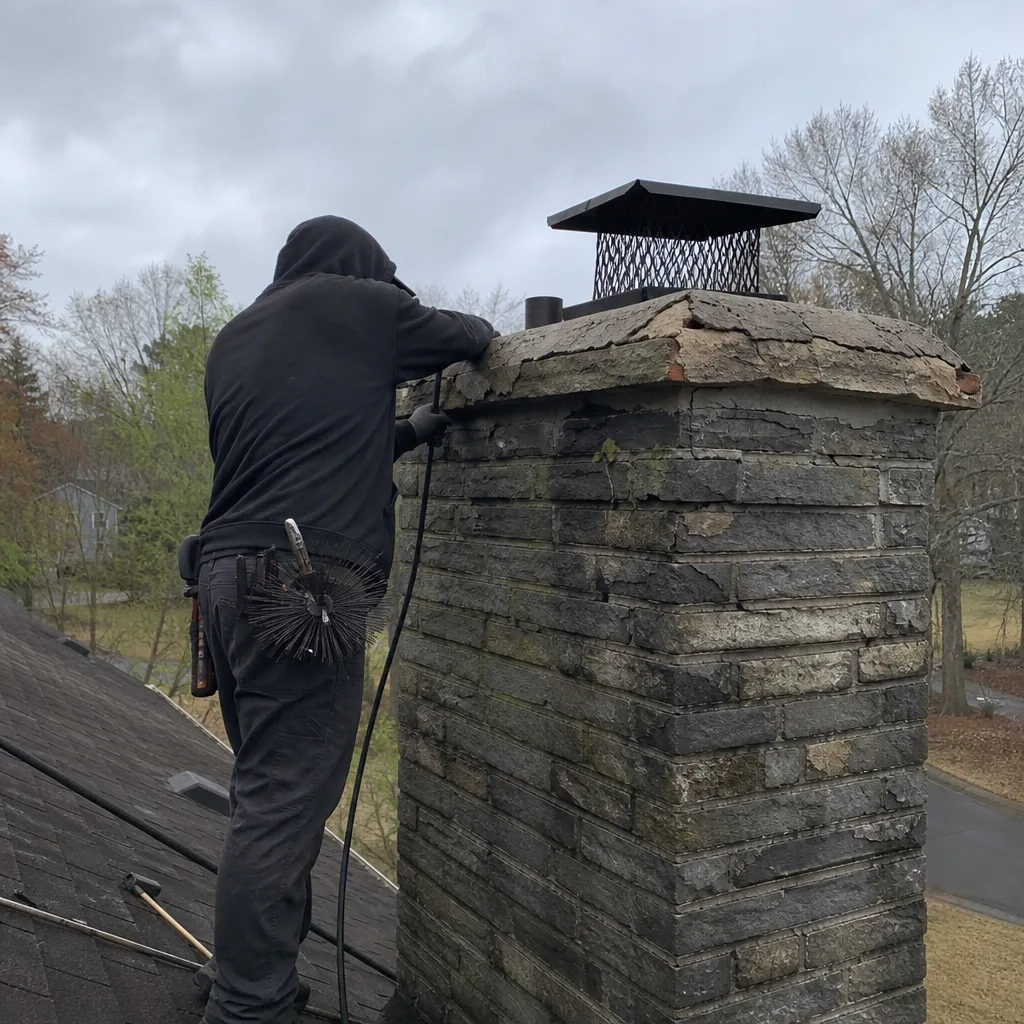 Before
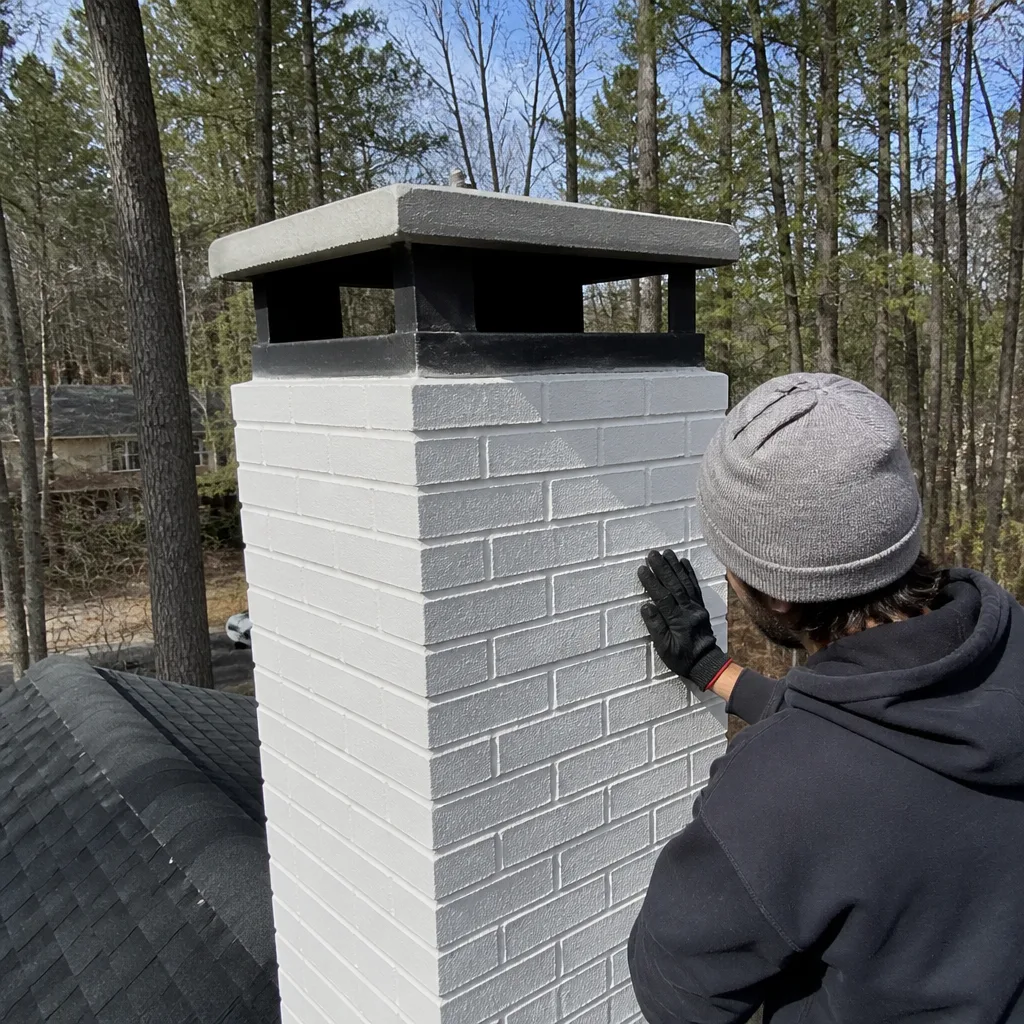 After
After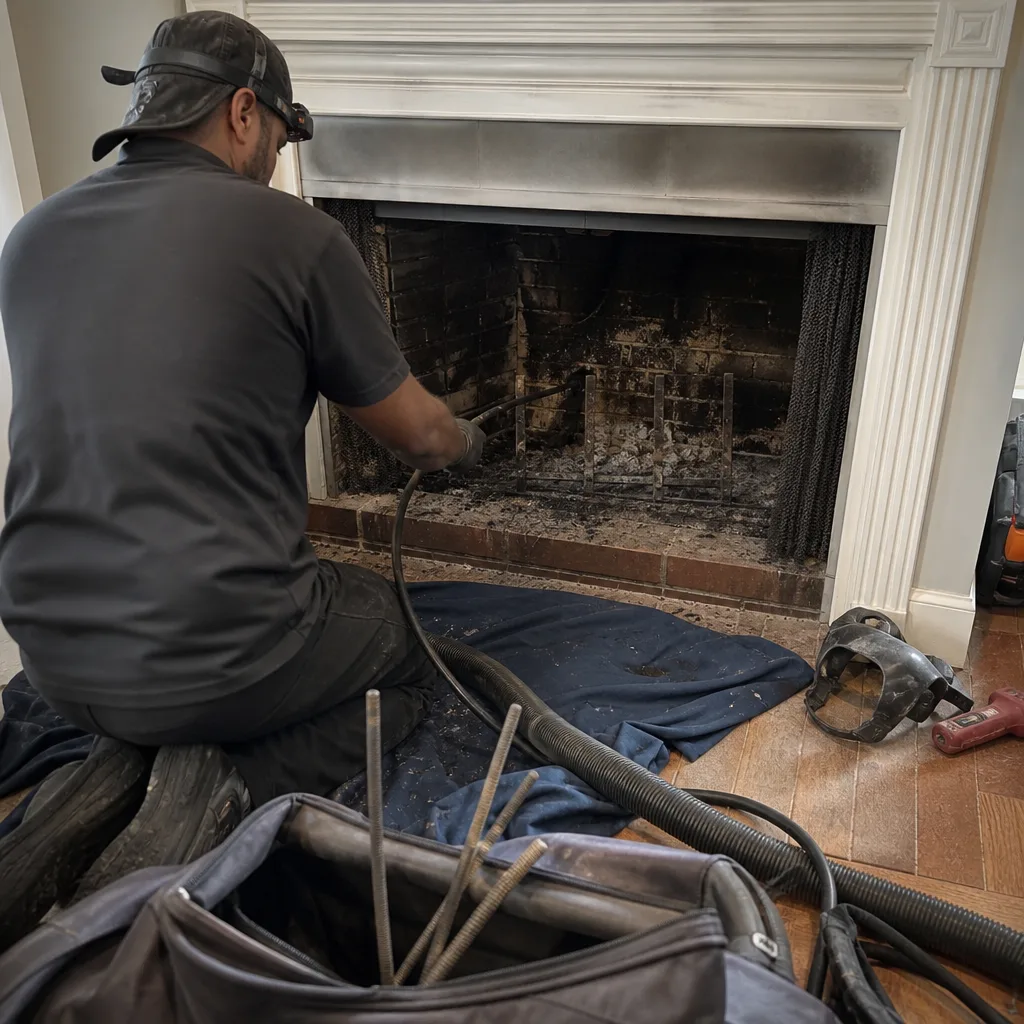 Before
 After
After Before
 After
After