
Last updated October 15, 2026
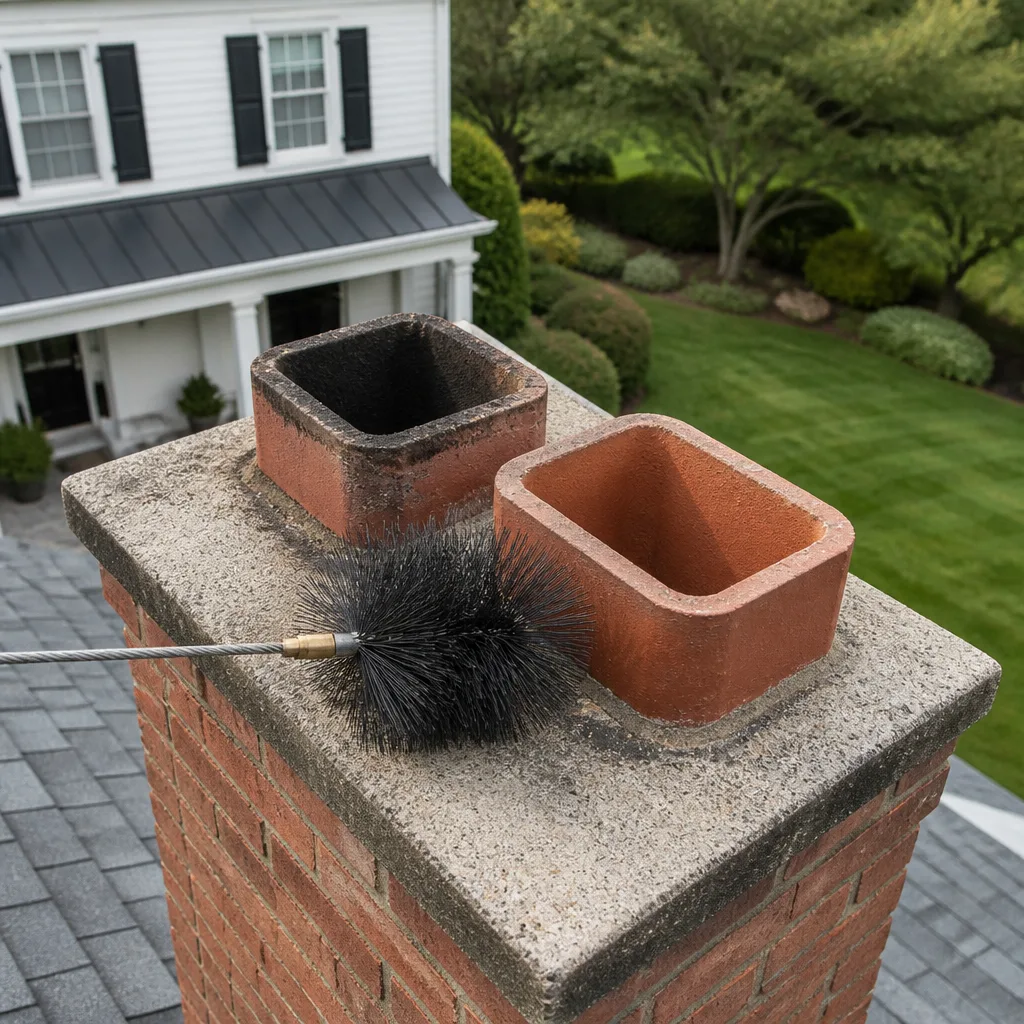 Sweep & inspection
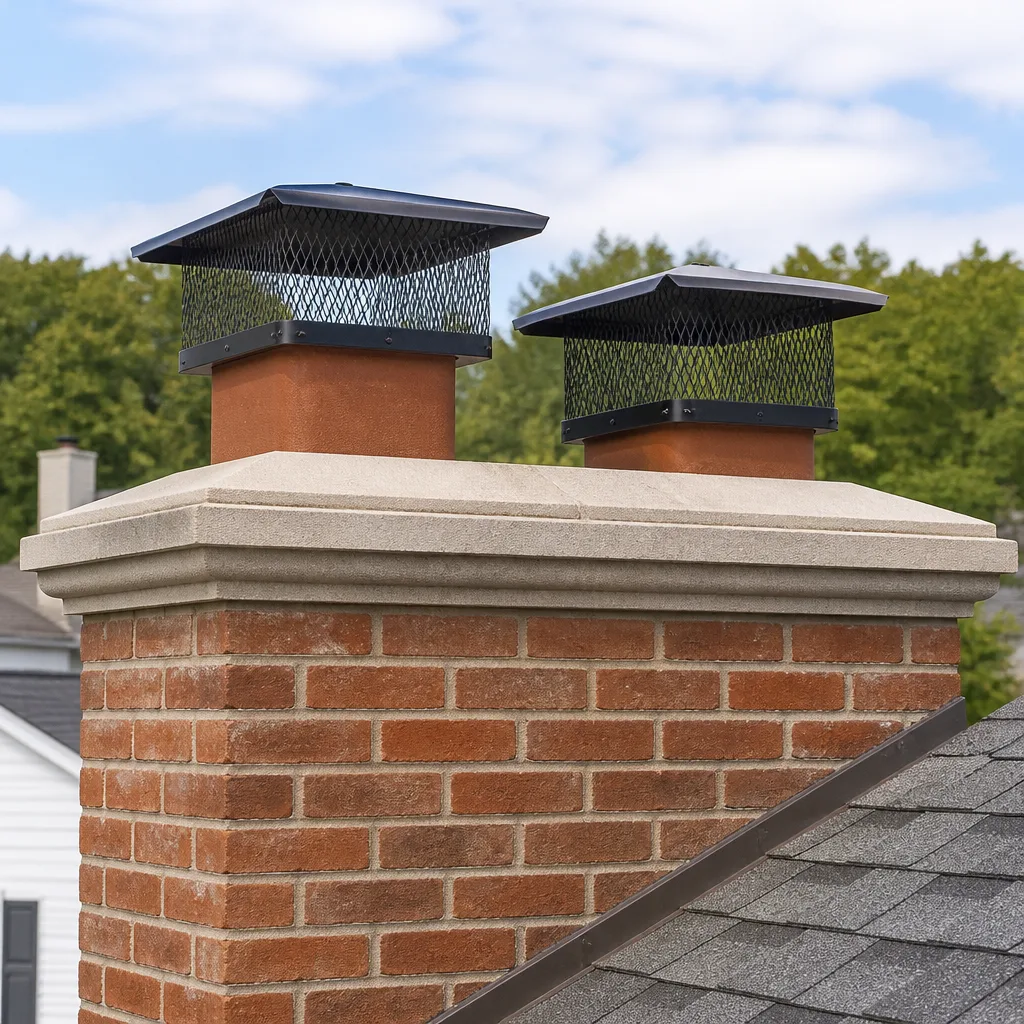 Caps & crowns
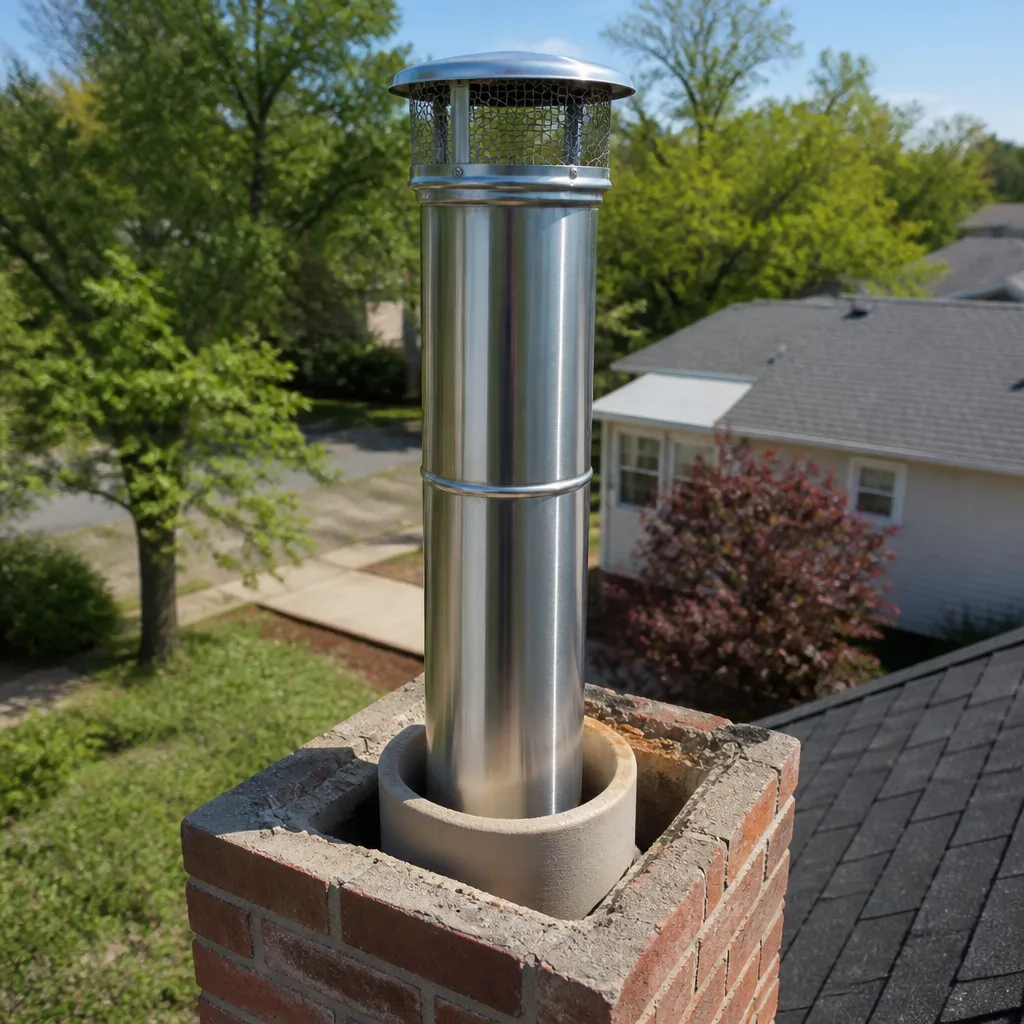 Flue relining
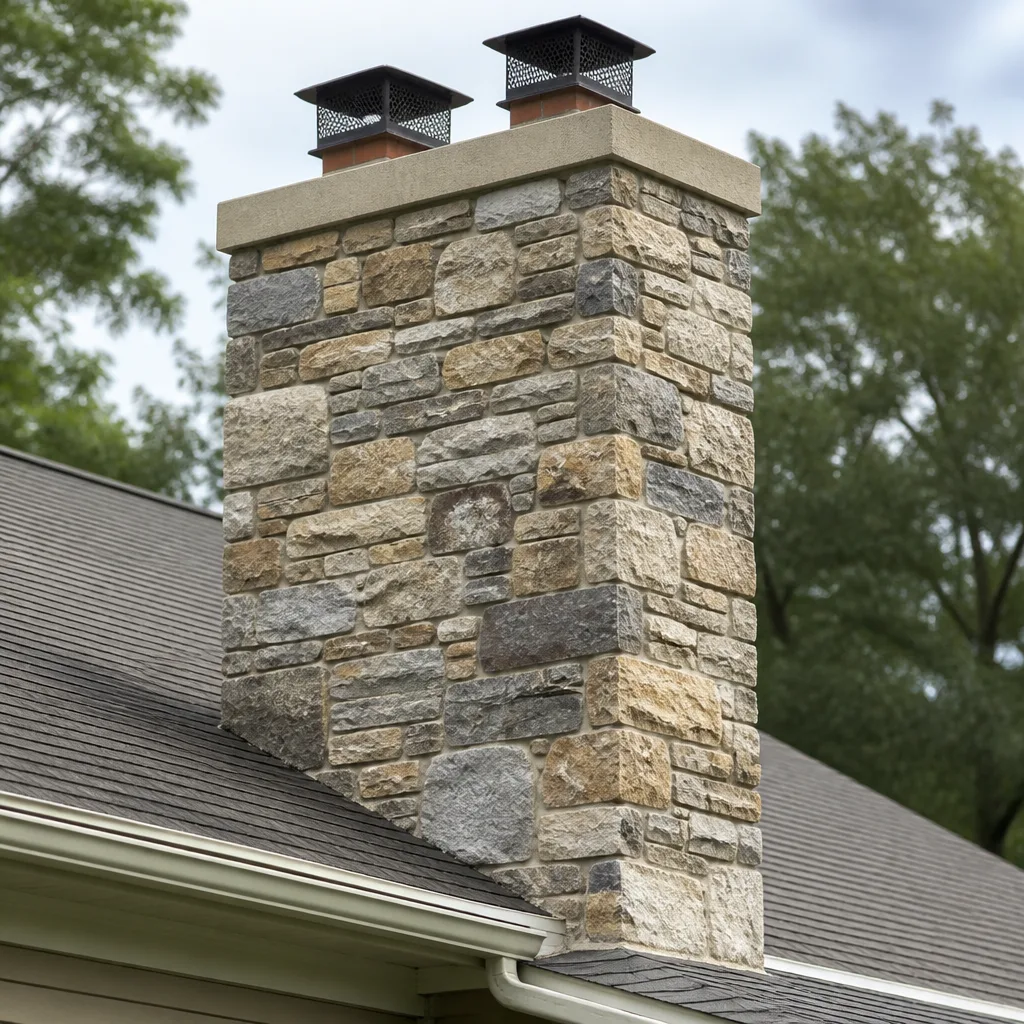 Masonry repair
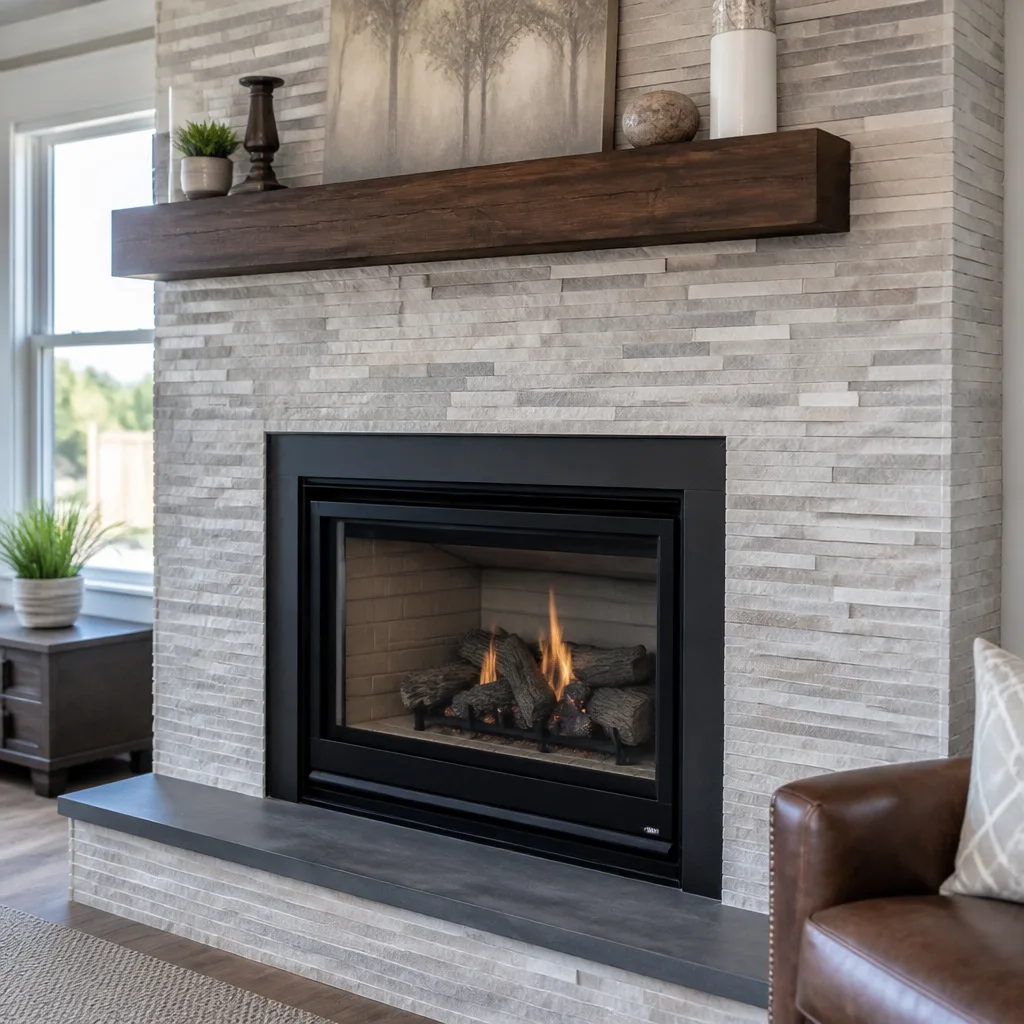 Gas fireplace service
Level 1 sweep and inspection to the NFPA 211 annual standard - flue, crown, cap, and flashing checked and photographed
Chimney sweep logs do not sweep chimneys. They loosen some creosote - which then falls where a brush and vacuum still have to collect it.
Chimney Cleaning Warning Signs: A Atlanta Homeowner’s Reference Guide
Here’s a counterintuitive fact about chimneys: by the time you can smell creosote in your living room in July or see white staining spreading across your brick in Midtown, you’ve already missed four earlier warning signs that were visible from your couch. Atlanta’s humidity and temperature swings create a specific set of chimney problems that homeowners in drier climates never deal with, and most warning sign lists skip right past the early indicators. This guide walks through what actually shows up first inside your Atlanta home, what each sign means, and which ones you can safely photograph and send to a contractor before anyone climbs a ladder. For a deeper dive, see The Complete Guide to Chimney Cleaning in Atlanta.
Styles & brands we work with
Quick Answer
Chimney cleaning warning signs in Atlanta include draft reversal (smoke entering your living room), a damper that resists opening or closing, a musty odor from the fireplace in summer, white efflorescence staining on exterior brick, and evidence of animal activity like scratching or nesting debris. Most of these show up indoors weeks or months before visible exterior damage appears. A professional chimney sweep in Atlanta typically costs $189 – $329, and addressing these signs early prevents liner damage that runs $2,500 – $6,000 to replace.
Table of Contents
- The Indoor Warning Signs Atlanta Homeowners Miss First
- What White Efflorescence Staining on Atlanta Brick Actually Means
- Damper Problem, Cap Problem, or Liner Problem: How to Tell Them Apart
- Active Animal Intrusion vs. Old Nesting Debris: Spotting the Difference
- Creosote in Atlanta’s Climate: What It Looks Like and Why It Builds Differently Here
- What to Photograph for a Remote Pre-Assessment Before Booking
- What a Chimney Sweep in Atlanta Costs and When to Schedule One
- Common Mistakes to Avoid
- When to Call a Professional
- Frequently Asked Questions
- The Bottom Line
We’re Cory Mitchell and the team at Hadley Chimney Atlanta home, and we’ve been cleaning and repairing Atlanta chimneys since 2003. This guide reflects what we see in homes across the metro area, from Buckhead to Decatur to East Point, and it’s written so you can catch problems before they become expensive ones.
The Indoor Warning Signs Atlanta Homeowners Miss First
Most chimney problem lists start with exterior issues: cracked crowns, spalling brick, missing caps. Those matter, but they’re late-stage signals. The earliest warnings show up inside your house, often in rooms where you’re sitting with your back to the fireplace.
Draft Reversal (Smoke Entering the Room)
Draft reversal means smoke from your fire comes back into the living space instead of rising up the flue. It’s the clearest early signal that your chimney’s airflow has changed, and it’s frequently misdiagnosed as “just a windy day” or “wet wood.” Draft reversal in Atlanta homes is often caused by negative air pressure created by modern HVAC systems and kitchen exhaust fans competing with the fireplace for air. Other culprits include a partially closed damper, a flue obstructed by creosote (the flammable tar buildup that makes chimneys a fire risk) or nesting material, or a chimney that’s too short for Atlanta’s roof line dynamics.
What to watch for: smoke that curls out of the fireplace opening rather than going straight up, a faint campfire smell after the fire is out, or soot stains appearing on the mantle or the wall above the opening. If you notice any of these, stop burning and schedule an inspection. A Chimney Sweep in Atlanta can identify the cause in a single visit, usually with a camera inspection included in the sweep.
A Damper That’s Hard to Open or Close
Your damper should move smoothly with one hand. If you’re fighting it, something is interfering with its travel path, and that something is usually creosote buildup, rust from Atlanta’s humid summers, or warping from heat exposure. A damper that’s stuck open lets conditioned air escape your home all summer and humid outdoor air enter year-round. A damper that’s stuck closed makes the fireplace unusable and can trap carbon monoxide inside if you try to burn anyway.
In our experience across Atlanta, we see a spike in damper complaints every spring. Homeowners close the damper after their last fire in March, leave it closed through Atlanta’s humid summer, and by October the cast iron has seized with surface rust. This is a maintenance issue, not usually a replacement one, but it’s also a warning sign that moisture is reaching parts of the fireplace that should stay dry.
A Fireplace That Smells Musty in Summer
Atlanta summers are humid, and a musty fireplace smell in July or August tells you moisture is entering the flue. Healthy chimneys smell neutral even in summer. When you catch a damp, earthy, or moldy odor from the firebox in high heat, it usually means one of three things: the chimney cap is damaged or missing, the crown is cracked and letting rainwater in, or the flue liner has a breach that’s allowing moisture through.
This is one of the most commonly ignored warning signs because Atlanta homeowners associate it with the general mugginess of the season. But a musty fireplace in summer is not ambient humidity. It’s moisture in the flue, and moisture in the flue accelerates liner deterioration. A liner that fails quietly over three summers becomes a $4,000+ repair that could have been a $300 cap replacement.
Soot/Brick Dust on the Hearth or Floor
A fine layer of black or reddish dust appearing around the fireplace opening between uses signals that particles are falling from inside the flue. In Atlanta, this often happens after major temperature swings: the flue expands and contracts, and degraded mortar or flaking clay liner tiles shed material downward. If you wipe the hearth clean and the dust returns within a week, the flue is actively deteriorating, not just dirty.
What White Efflorescence Staining on Atlanta Brick Actually Means
White staining on exterior brick is called efflorescence, and in Atlanta it’s one of the most misunderstood chimney warning signs. Efflorescence is a crystalline salt deposit that appears when water moves through masonry and evaporates, leaving minerals behind. It’s not mold, and it’s not paint overspray. It’s a moisture transport indicator.
Here’s what matters: efflorescence means water is actively moving through your chimney’s masonry. In Atlanta’s freeze-thaw cycles (yes, Atlanta gets freeze-thaw cycles even if they’re brief), trapped moisture expands when it freezes, pushing brick apart at the microscopic level. Every season of efflorescence accelerates spalling, which is the visible flaking and popping of brick faces.
But the staining is often a liner problem more than a brick problem. When a flue liner develops cracks or gaps, hot flue gases escape into the chimney cavity instead of venting out the top. Those gases are acidic. They eat mortar from the inside, and the resulting deteriorated mortar becomes a highway for moisture migration. The white stain you see on the outside is the endpoint of water that entered through a damaged crown, a missing cap, or a breached liner. An Chimney Repair in Atlanta technician can trace the staining pattern back to its source.
Here’s a tell-tale pattern we see in Atlanta neighborhoods: efflorescence concentrated on one side of the chimney rather than spread evenly. That asymmetric staining usually points to a crown with a crack on that side, or a flashing failure where the chimney meets the roof line. Even staining across the full chimney face more often indicates liner failure or a completely failed crown.
If you’re seeing efflorescence, take photos from several angles before it rains, then schedule an inspection. You can’t fix the stain without fixing the water path, and sealing the brick alone traps moisture inside, which makes the freeze-thaw damage worse.
Damper Problem, Cap Problem, or Liner Problem: How to Tell Them Apart
Most chimney issues fall into three categories, and the symptom pattern tells you which one you’re dealing with. Here’s how to diagnose by pattern before anyone climbs on your roof.
- Damper problem: The damper handle resists movement, sticks in place, or moves but doesn’t seat fully. You might hear a rattle when wind blows across the chimney top. Smoke enters the room when the damper is open and the fire is going well. These symptoms are localized to the damper area and don’t change with the weather or the season.
- Cap problem: You hear scratching or chirping from the fireplace. There’s visible nesting material in the firebox or at the base of the flue. The fireplace smells strongly of animal, not mildly musty. Rainwater sometimes drips into the firebox during heavy Atlanta thunderstorms. A damaged or missing cap is the single most common entry point for animals and water in metro Atlanta homes.
- Liner problem: White staining on the exterior brick, a persistent musty smell that doesn’t resolve, chunks of flaky material or tile pieces falling into the firebox, and poor draft even with a clean flue and open damper. Liner problems develop slowly and show up as a constellation of symptoms rather than one acute event. When we perform a sweep and camera inspection, the liner condition is documented with photos so you see exactly what we see.
These aren’t mutually exclusive. A house in Virginia-Highland can have a failed cap that led to animal intrusion, a damper that seized from the resulting moisture, and liner damage that developed over two seasons of neglect. But treating each symptom pattern as a category helps you understand what you’re looking at, and it makes you a more informed consumer when someone recommends work.
Active Animal Intrusion vs. Old Nesting Debris: Spotting the Difference
Atlanta’s tree canopy is beautiful, and it’s also a superhighway for squirrels, raccoons, and chimney swifts. A chimney without a proper cap is an open invitation. But not every nest you find means you have a current resident. Here’s how to tell the difference in your Atlanta home.
Active Intrusion: What to Look For
- Scratching or scurrying sounds from the fireplace area, particularly at dawn or dusk (squirrels are diurnal, raccoons are nocturnal)
- Chirping that changes pitch or location when you approach the fireplace
- Fresh nesting material appearing between visits: green leaves, new twigs with bark intact, grass that hasn’t dried out
- Animal droppings in the firebox that are dark and moist rather than dry and crumbly
- A strong, sharp ammonia-like odor that increases day by day
Old Nesting Debris: What to Look For
- Dried, brittle twigs and leaves that crumble when touched
- Nesting material matted down and discolored from moisture
- No noise from the chimney for 24+ hours
- Droppings that are dry, gray, and powdery
- No change in the amount of debris between your own inspections
If you suspect active intrusion, do not attempt to smoke the animal out or remove it yourself. Some species, including chimney swifts, are federally protected, and trapping animals in a flue can create a dead animal problem inside your wall. A professional can assess the situation, recommend humane exclusion that complies with federal and Georgia regulations, and install a proper cap once the flue is clear. We work with relocation partners in the Atlanta area and will tell you plainly when the situation needs a wildlife specialist before we can clean.
Creosote in Atlanta’s Climate: What It Looks Like and Why It Builds Differently Here
Creosote is the flammable residue left behind when wood smoke cools and condenses on the flue walls. It’s the primary fuel for chimney fires, and Atlanta’s burning conditions create a specific creosote profile that differs from colder climates.
Here’s the thing: Atlanta homeowners burn fires in conditions that often produce more creosote, not less. Mild winter evenings mean fires are burned at lower temperatures with dampers partially closed to stretch the wood. Those cooler, slower burns produce more condensation in the flue, which deposits creosote faster. Homes in Buckhead that burn a fire every weekend from November through February can accumulate half an inch of creosote in a single season, even with well-seasoned hardwood.
Creosote appears in three stages:
- Stage 1: A flaky, soot-like dust that brushes off easily. This is the normal byproduct of any wood burning cycle.
- Stage 2: A shiny, hard, tar-like glaze that requires mechanical scraping or chemical treatment to remove. This forms when creosote bakes onto flue walls at high heat, then hardens as it cools.
- Stage 3: A thick, glazed, almost candy-like coating that can close off a flue’s usable diameter and is the most fire-dangerous. At this stage, creosote burns at temperatures that can crack clay liners and send fire into the chimney chase.
You can’t see most creosote buildup from your living room. The flue is hidden. What you can see is the warning sign: fires that burn less vigorously than they did earlier in the season, smoke that lingers, or a metallic, harsh smell when the fireplace is hot. Chimney sweeps in Atlanta typically run $189 – $329, and a camera inspection is included with our standard sweep, so you see the creosote stage with your own eyes before any cleaning recommendation is made.
What to Photograph for a Remote Pre-Assessment Before Booking
We built our process around the idea that you shouldn’t have to wait for a tech to arrive before you understand what’s happening. Before you book a Gas Fireplace Repair in Atlanta or a sweep, you can photograph several things from inside your home and send them to us. Here’s exactly what we need to see.
Photos You Can Take Safely From the Ground
- The full fireplace opening, straight-on, from 5 – 6 feet back. This shows us the firebox condition, the damper position, and any visible smoke staining on the surround.
- A close-up of the damper from below. Angle your phone upward into the throat of the fireplace. We’re looking for rust, warping, or creosote buildup on the damper plate.
- The hearth floor and the area 3 feet in front of it. This documents any falling debris, soot accumulation, or dust patterns that indicate flue deterioration.
- The exterior chimney from the ground, full height if visible. Stand far enough back to capture the crown, the cap (or the absence of one), and any white staining on the brick. Use your phone’s zoom sparingly – a wide shot plus a second zoomed shot of the crown/cap area is more useful than one blurry zoom.
- Any visible cracks in the crown or gaps where the chimney meets the roof flashing. If you can see it from the ground, photograph it. If you can’t, don’t climb.
What we can assess from photos: whether the cap is present or missing, the general firebox condition, whether efflorescence is present and where it’s concentrated, and whether the damper looks seized or serviceable. What we can’t assess from photos: the liner interior, the depth of creosote, or hidden gaps behind the damper. Those require a camera inspection, which is part of every sweep we do.
Send photos to our team before booking, and we’ll give you a plain-language read on what we’re seeing and what the next step should be. Sometimes the answer is “this can wait until fall,” and we’ll tell you that straight up.
What a Chimney Sweep in Atlanta Costs and When to Schedule One
Let’s talk numbers. A standard chimney sweep in Atlanta runs $189 – $329 for a single flue fireplace. If you have a two-story home with a steep roof pitch or an especially tall chimney, expect the higher end of that range. If you need both a sweep and a gas fireplace service, pricing is separate and depends on the unit type.
What that price includes at Hadley Chimney Atlanta: the full sweep (firebox, damper, smoke chamber, flue), a camera inspection with photo documentation you receive on your phone, a written condition report, and a written price for any recommended repairs before any work begins. Every repair we do carries a written guarantee and a free second visit if the repair fails, covered for 365 days under our Done Right Promise.
Here’s a realistic price map for common Atlanta chimney work:
- Sweep with camera inspection: $189 – $329
- Chimney cap supply and install: $275 – $550 depending on cap type and roof access
- Damper replacement: $350 – $700 for a standard throat damper; top-sealing dampers run higher
- Flue liner repair (HeatShield resurfacing): $1,800 – $3,500 depending on flue length and damage extent
- Full stainless liner replacement (DuraFlex or equivalent): $3,000 – $6,000+ depending on access and existing liner condition
- Crown repair or rebuild: $500 – $1,800 depending on crown size and whether it’s a patch job or full recast
Schedule your sweep in Atlanta between May and September. Here’s why: the demand spike hits in October, when every homeowner in the metro area remembers they have a fireplace. Spring and summer bookings give you scheduling flexibility, faster service, and time to complete any repairs before burning season starts. And given Atlanta’s surprise late-season cold snaps, having your chimney ready by September means you’re never the person calling around the week before Thanksgiving hoping for a slot.
We recommend an annual sweep for any wood-burning fireplace used more than 10 times per season. Gas fireplaces need service every 2 – 3 years, and we’ll tell you if yours can go longer based on what we see in the unit.
Common Mistakes to Avoid
- Ignoring the musty fireplace smell in summer because “everything is humid in Atlanta.” A healthy chimney doesn’t smell musty even in August. That odor means moisture is in the flue, and moisture is the #1 cause of liner failure in Atlanta homes.
- Assuming the white staining on your brick is a cosmetic issue that can wait. Efflorescence means water is moving through your chimney system. The longer it goes unaddressed, the more it compromises mortar joints and liner integrity.
- Burning one “test fire” before an inspection to see if everything still works. If there’s an obstruction or liner damage, that test fire can be the one that starts a chimney fire. When there’s any doubt, the camera inspection comes first.
- Using a store-bought creosote sweeping log instead of a professional sweep. These products can loosen Stage 1 creosote, but they don’t remove it, and they do nothing for Stage 2 or Stage 3 deposits that are common in Atlanta’s lower-temperature burn profile.
- Closing the damper immediately after the fire dies down visibly. Embers can smolder for hours and release carbon monoxide. The damper should stay open until the fire is completely out and the ash is cool, which is usually the next morning.
- Assuming a gas fireplace never needs service because there’s no wood burning. Gas fireplaces build up dust, spider webs, and mineral deposits in the jets and thermocouples. They also produce acidic exhaust that can deteriorate venting over time. We service these in Atlanta year-round.
- Sealing over efflorescence with masonry sealer before addressing the water source. This traps moisture in the brick and accelerates freeze-thaw damage. Fix the water path first, then clean the stain.
When to Call a Professional
Call a chimney professional when you see any of these warning signs in your Atlanta home: smoke entering the room despite an open damper, a damper that won’t move fully in either direction, musty odor from the fireplace in summer heat, white staining on the exterior chimney brick, debris falling into the firebox between uses, or any sound of animals in the flue. These are all signals that something has changed inside the system, and the cost of addressing them early is a small fraction of the cost of liner replacement or a chimney fire. Hadley Chimney Atlanta offers free estimates in Atlanta and the surrounding metro area. Call (762) 320-6525 and a live person answers, 24/7, no answering service runaround.
Frequently Asked Questions
A chimney sweep in Atlanta typically costs $189 – $329 for a standard single-flue fireplace, with two-story homes and steep roof pitches on the higher end. At Hadley Chimney Atlanta, that price includes a camera inspection with photo documentation and a written condition report. Call (762) 320-6525 for an exact quote – estimates are free.
Many Atlanta chimneys with liner damage can be repaired using HeatShield, a ceramic resurfacing system that restores the flue without a full demolition, typically running $1,800 – $3,500 versus $3,000 – $6,000+ for a full stainless liner replacement. The determining factors are the extent of the cracking, the presence of gaps between tiles, and the flue’s overall structural stability. We never recommend liner work without showing you the camera footage first. Call (762) 320-6525 to schedule a camera inspection.
A wood-burning fireplace used more than 10 times per season should be swept annually in Atlanta, and homes that burn a lot of unseasoned wood or burn fires in mild weather with a partially closed damper may need attention more often because those conditions produce creosote faster. Gas fireplaces should be serviced every 2 – 3 years.
Creosote accumulates in stages, and by the time it reaches Stage 3, it’s a serious fire hazard that also restricts draft and accelerates liner damage. In Atlanta’s climate, moisture also enters through damaged caps and crowns over time, degrading the liner from both inside (creosote acids) and outside (water infiltration). The result of skipping cleaning is a compounding problem: a $250 sweep deferred becomes a $4,000 liner replacement. Call (762) 320-6525 for a free estimate and we’ll show you exactly what’s in your flue before recommending anything.
We don’t recommend DIY chimney sweeping for Atlanta homeowners. The right equipment is specialized, the work requires roof access in many cases, and without a camera inspection afterward you can’t verify that the flue is actually clean or that no damage exists. A professional sweep includes documentation and a written condition report, which also matters for insurance purposes if a fire ever occurs. Call (762) 320-6525 and we’ll walk you through what a sweep includes in Atlanta.
Active animal intrusion shows up as fresh nesting material, noise at predictable times of day (dawn or dusk for squirrels, night for raccoons), and droppings that are dark and moist rather than dry and powdery. If you’re unsure, take a photo of the firebox and the chimney cap area from the ground and send it to our team before calling anyone else. We’ll help you figure out what’s happening and whether you need a wildlife specialist before a sweep. Call (762) 320-6525 for guidance.
The Bottom Line
Chimney problems in Atlanta announce themselves early, indoors, and in ways that are easy to dismiss as the season or the house’s normal behavior. Smoke in the room, a damper that fights you, a musty summer fireplace smell, white brick staining, and falling debris are all signals that something inside the system has changed. None of them fix themselves, and all of them are cheaper to address now than they will be in six months. The simplest next step is a camera inspection: you see the flue with your own eyes, get a written price for any work, and decide with full information. We’ve been serving Atlanta homeowners since 2003 under principles we still hold: a written price before any work starts, a written guarantee on every repair, and photos of the work when it’s done. Explore more guides & resources on keeping your chimney safe. If your chimney is showing any of these signs, call (762) 320-6525 and talk to a real person who can help.
Written by Cory Mitchell, Owner at Hadley Chimney Atlanta, serving Atlanta since 2003.
See the difference
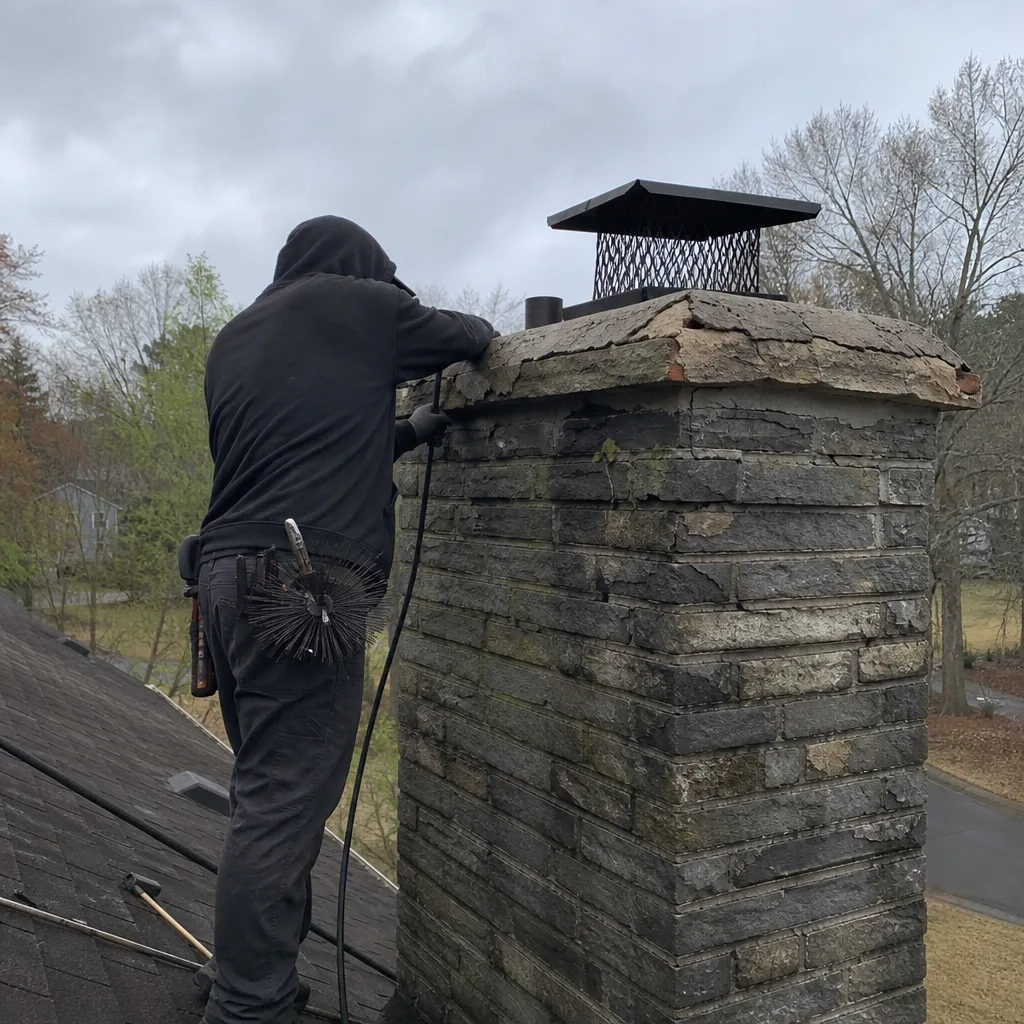 Before
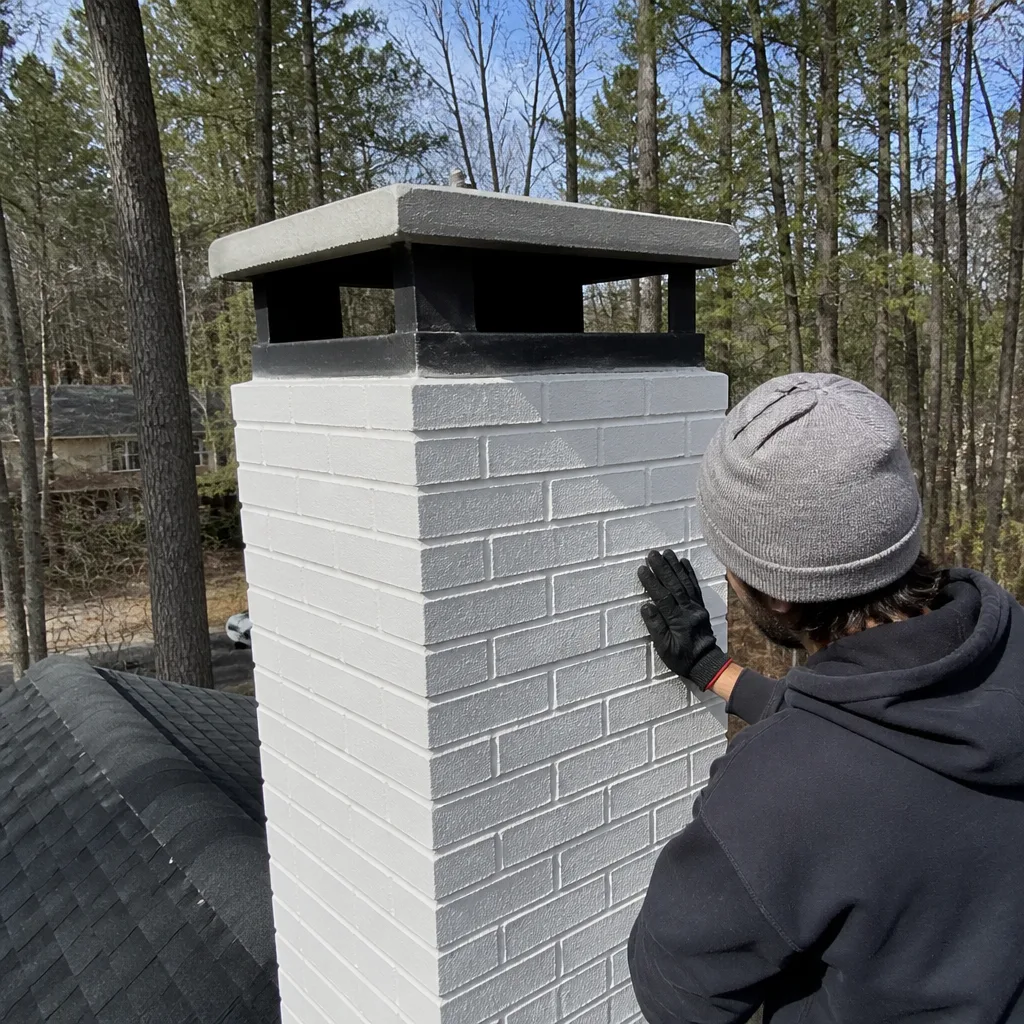 After
After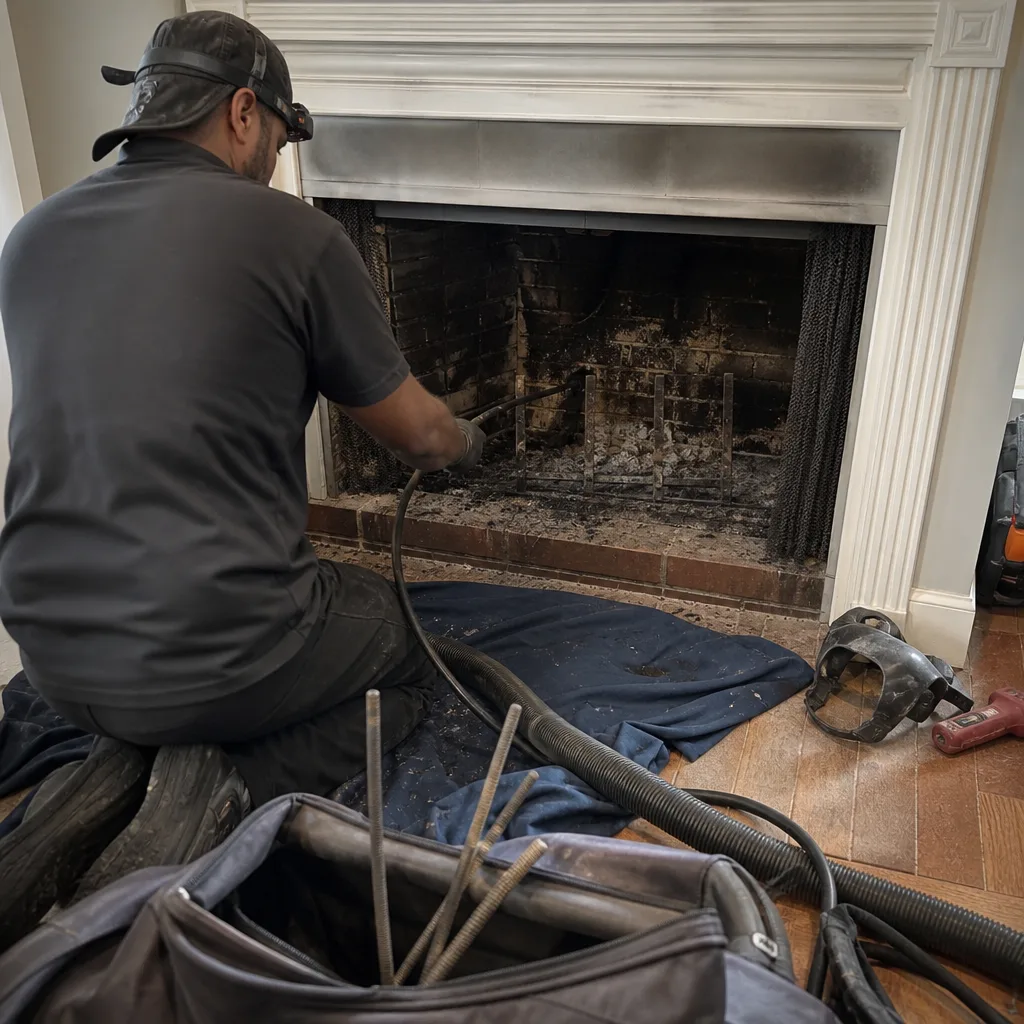 Before
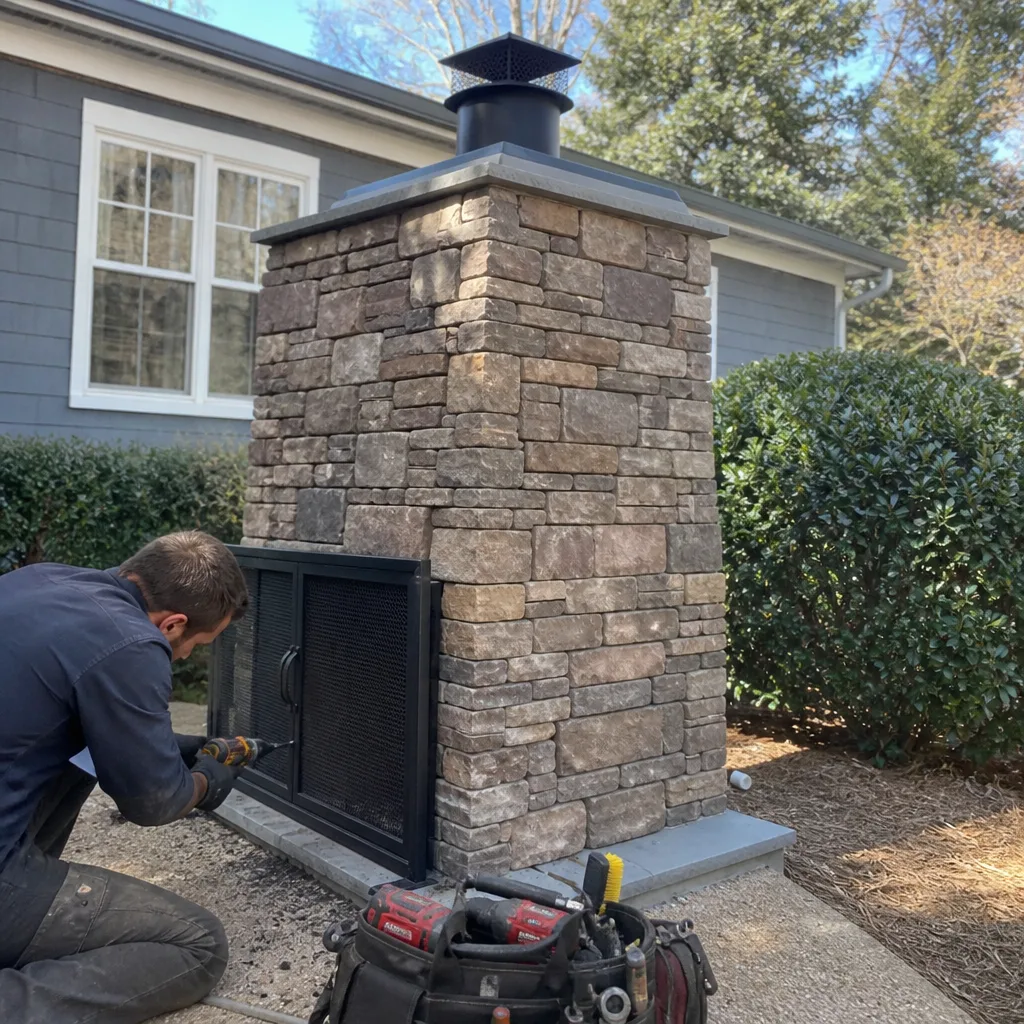 After
After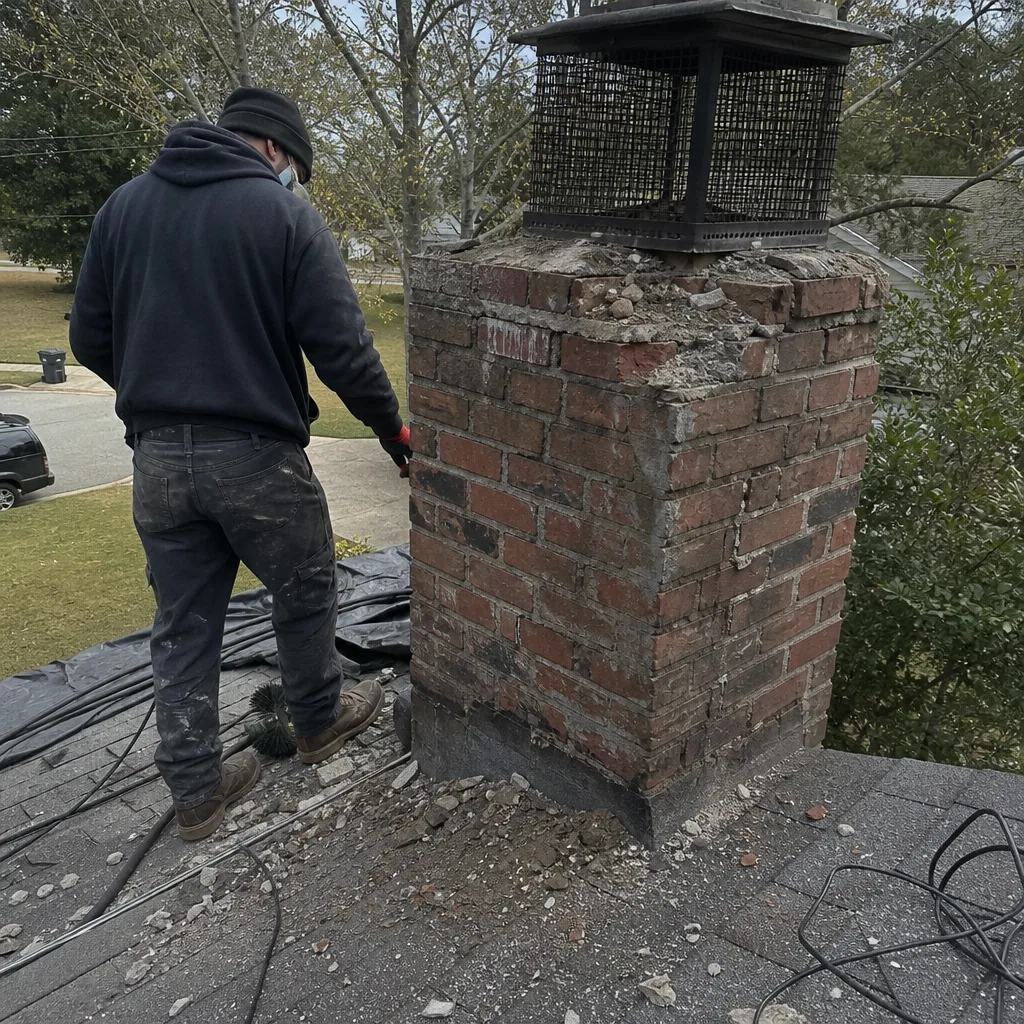 Before
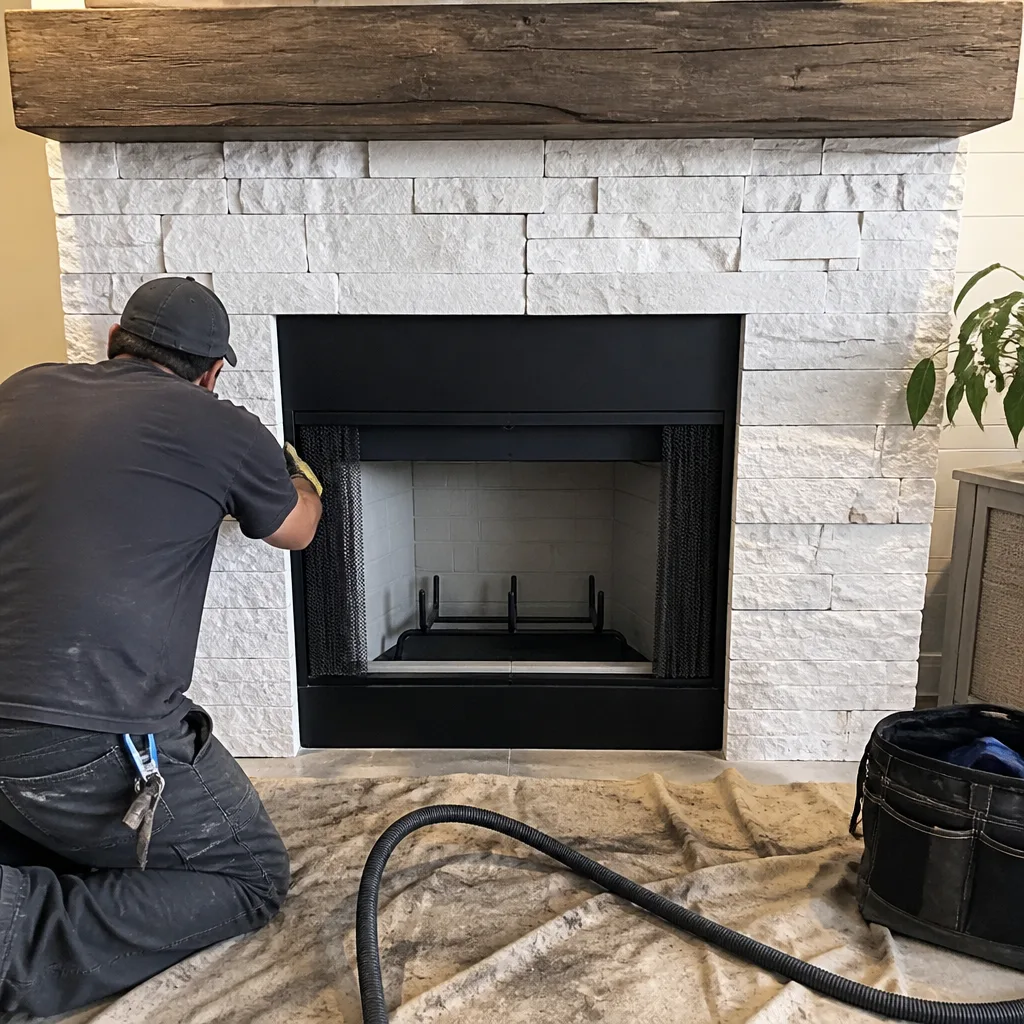 After
After