
Last updated October 15, 2026
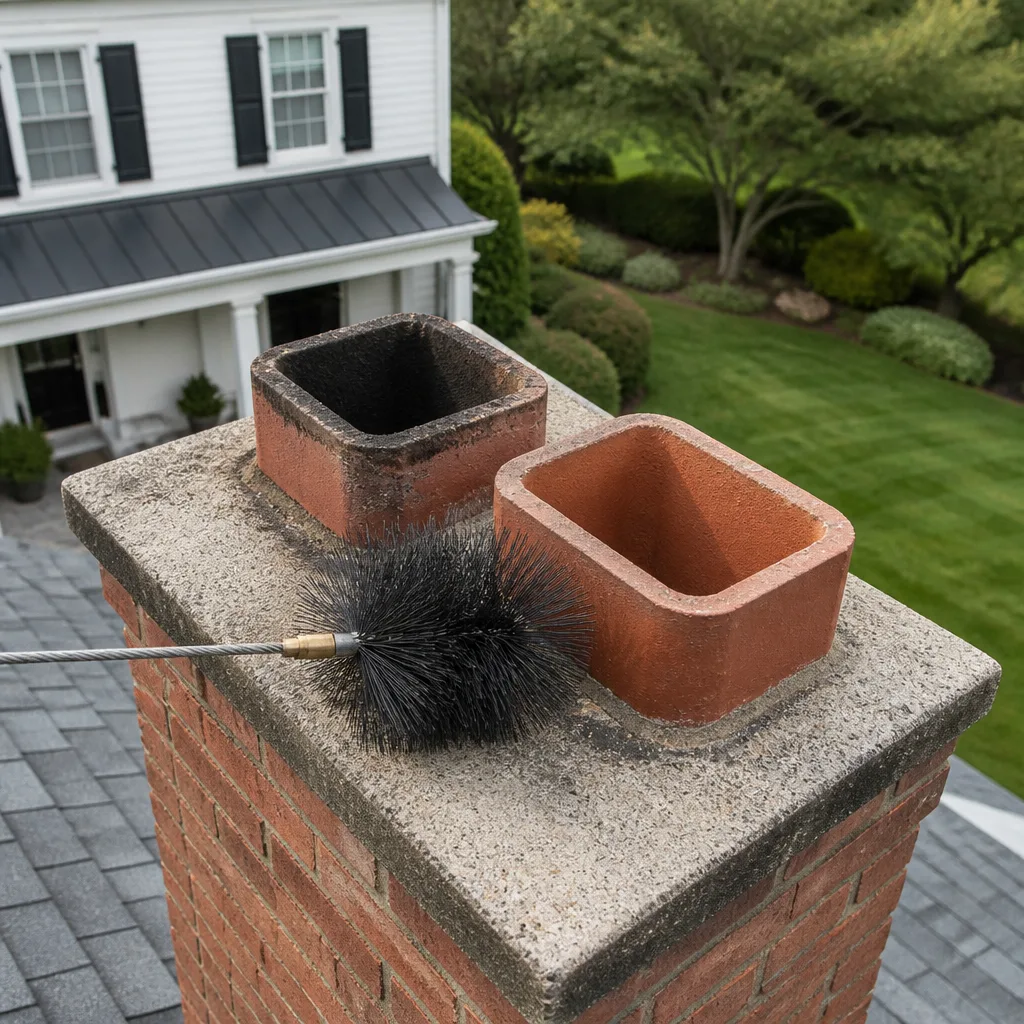 Sweep & inspection
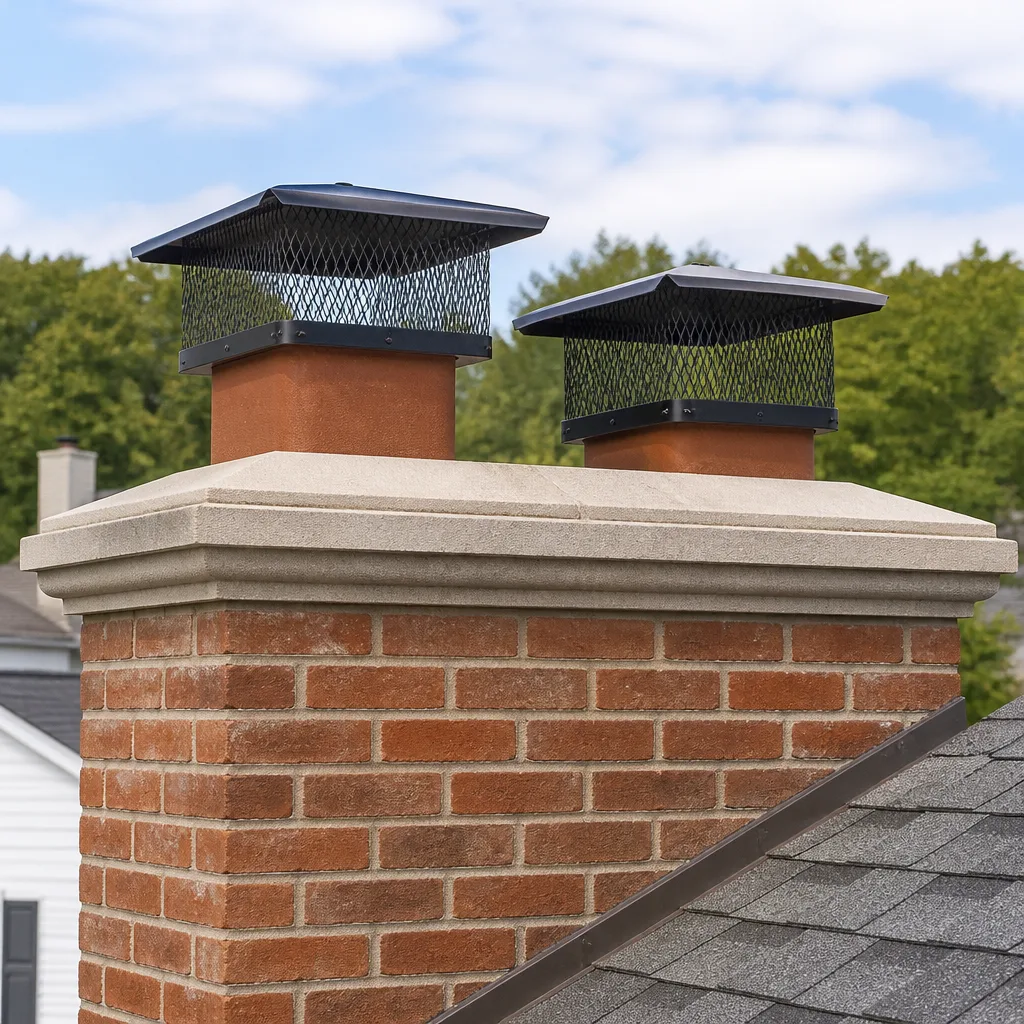 Caps & crowns
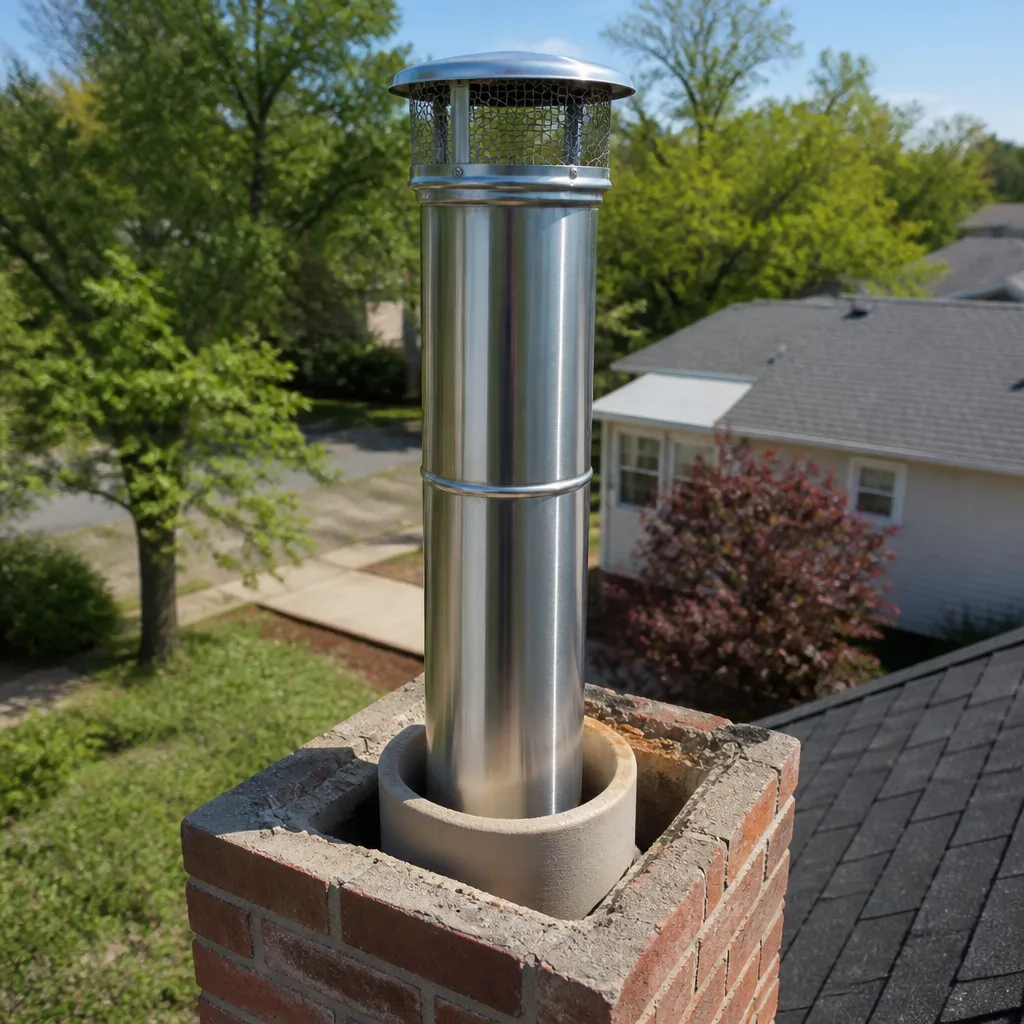 Flue relining
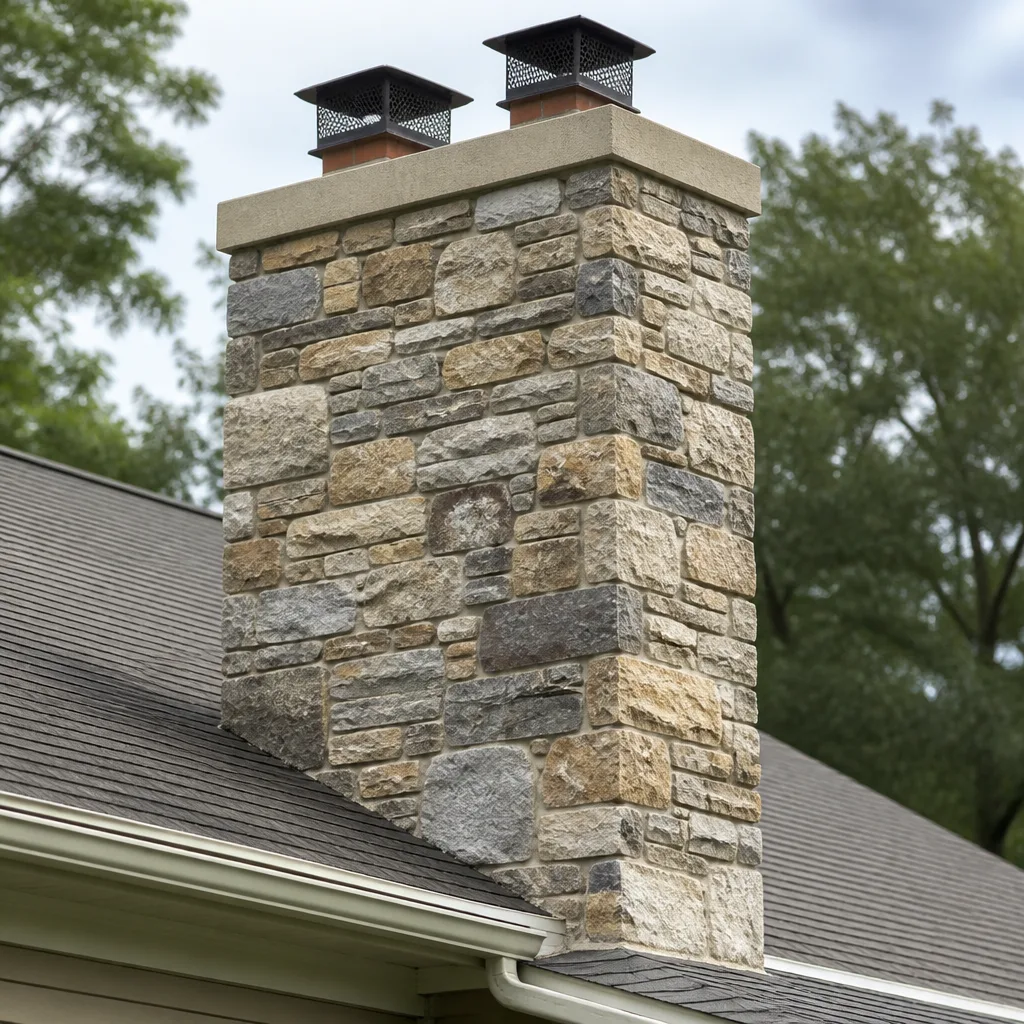 Masonry repair
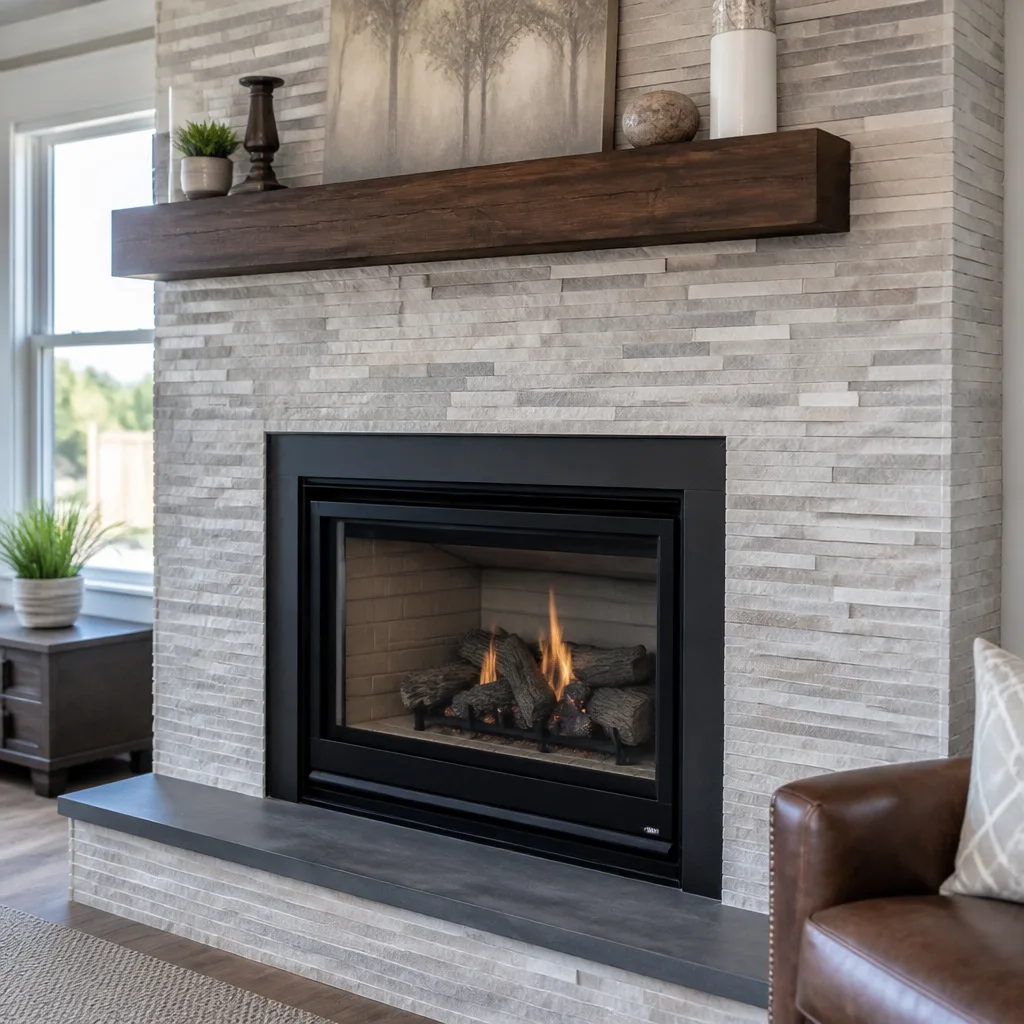 Gas fireplace service
Level 1 sweep and inspection to the NFPA 211 annual standard - flue, crown, cap, and flashing checked and photographed
Chimney sweep logs do not sweep chimneys. They loosen some creosote - which then falls where a brush and vacuum still have to collect it.
The Complete Guide to Chimney Cleaning in Atlanta
Most Atlanta homeowners burn fewer than 15 fires a year, and that number drops to near zero during our short, mild winters. So the chimney sits unused for months at a stretch. Here’s what the average homeowner concludes: no fires, no buildup, no problem. It is a reasonable assumption. It is also wrong. Georgia’s humidity, Atlanta’s spring nesting season, and the chemistry of creosote itself conspire to put chimneys at risk even when the firebox stays cold. This guide explains what actually happens inside an Atlanta chimney between fires, what you should look for, what a proper cleaning involves, and how to know whether you are getting a real inspection or a brush waved through a flue. For more, see our more guides & resources.
Styles & brands we work with
Quick Answer
Chimney cleaning in Atlanta typically costs between $150 and $350 for a standard sweep, and most single-family homes need it every 1 to 3 years depending on how often you actually burn. The bigger issue for Atlanta homeowners is the inspection: at minimum, a CSIA-certified Level 1 inspection should accompany every sweep, and homes with older brick-and-mortar chimneys in neighborhoods like Buckhead, Midtown, or Decatur often need a Level 2 camera inspection because humidity and age create liner damage you cannot see from the roof. See our How to Hire a Chimney Cleaning Contractor in Atlanta: A Step-by-Step Guide for what to ask before you book. You do not need to burn a cord of wood for creosote to become a combustion risk.
Table of Contents
- Why Atlanta’s Climate Creates a Different Chimney Problem
- Creosote, Explained for Atlanta Homeowners
- How Often Should You Clean a Chimney in Atlanta?
- Level 1 vs Level 2 vs Level 3: What You Actually Need
- How to Read a Before-and-After Camera Inspection
- Chimney Cleaning vs Chimney Certifying: Why Insurance Cares
- What a Proper Chimney Sweep Includes in Atlanta
- What Chimney Cleaning Costs in the Atlanta Market
- Common Mistakes to Avoid
- When to Call a Professional
- Frequently Asked Questions
- The Bottom Line
Why Atlanta’s Climate Creates a Different Chimney Problem
Most chimney advice online is written for cold-climate homes. Minneapolis. Chicago. Boston. Those guides assume a house that burns fires four or five months a year and generates creosote through consistent use. Atlanta is different. Our heating season is short. Our humidity is relentless. And our housing stock includes thousands of brick chimneys built between the 1940s and 1970s, before today’s liner materials existed. That combination produces problems cold-climate guides never mention.
First, humidity. Atlanta’s average relative humidity hovers around 70 percent year-round. Moisture doesn’t just sit in the air. It moves into masonry. Brick is porous, and when warm, damp air cycles through a chimney chase, it accelerates the reaction between creosote residue and the flue surface. A chimney that saw only a handful of fires can develop Stage 2 creosote (the hard, tar-like glaze) because the chemical process of glazing is driven by temperature changes and moisture, not just fire frequency. In our experience working across Atlanta, we have pulled hardened glazed creosote from chimneys where the owner swore they burned fewer than five fires all winter.
Second, nesting. Atlanta’s spring and early summer are prime nesting season for chimney swifts, which are protected under federal law. Squirrels and raccoons also see an unused chimney as a tree cavity with better weather protection. A nest at the smoke shelf blocks airflow, traps moisture, and gives creosote a flammable base to cling to. In most Atlanta neighborhoods, if a chimney has not been capped or swept in two years, there is a reasonable chance something has moved in.
Third, the brick itself. Atlanta’s older housing stock includes thousands of chimneys built with clay tile liners set in lime mortar. Lime mortar breaks down over decades, and Georgia’s humidity accelerates that breakdown. Once mortar joints crack, moisture reaches the liner and the smoke chamber, creating the exact conditions for creosote glazing and flue gas leakage. This is not a cold-weather failure mode. It is a humidity failure mode, and it is common in Atlanta specifically.
Creosote, Explained for Atlanta Homeowners
Creosote is the flammable tar-like residue that condenses on the inside of a chimney when wood smoke cools before it exits the flue. Every fire produces it. The amount depends on burn temperature, wood moisture, and airflow. In a humid climate like Atlanta’s, even small amounts of creosote can transform quickly into a hardened glaze.
The National Fire Protection Association recognizes three stages of creosote:
- Stage 1: a fine, sooty powder that brushes off relatively easily. This is the stage most people picture when they think of a chimney sweep.
- Stage 2: a crusty, flaky deposit that has begun to harden. It requires mechanical removal, usually with rotary tools rather than a standard brush.
- Stage 3: a thick, tar-like glaze that bonds to the flue surface. It is extremely flammable and cannot be removed by a basic wire brush. Removing Stage 3 creosote often requires chemical treatment and aggressive mechanical cleaning.
Here is what matters for Atlanta homeowners: a fireplace that burns only occasionally can still develop Stage 2 or Stage 3 creosote. The mechanism is not how many fires you light. It is what happens to the residue between fires. Warm, humid air moves through the flue. The residue absorbs moisture. It thickens. It hardens. A chimney that sat dormant from March to November has had eight months of Georgia humidity working on whatever residue was left from last winter. That is why we recommend an annual chimney inspection in Atlanta even when the fireplace saw almost no use.
Creosote is the primary fuel for chimney fires. A chimney fire can reach 2,000 degrees Fahrenheit, crack clay flue tiles, and spread heat into the surrounding framing. This is not theoretical. In Atlanta, chimney fires happen most often in homes where the owner assumed the chimney was fine because the fireplace was barely used. The combination of low use, seasonal humidity, and no inspection is exactly the profile that produces dangerous buildup.
How Often Should You Clean a Chimney in Atlanta?
The standard recommendation from the National Fire Protection Association is to have a chimney swept whenever there is 1/8 inch of creosote buildup, and to have an annual inspection regardless of use. But Atlanta is not a standard climate. Here is how we break it down for the homes we work on across the metro area:
- If you burn wood fires regularly (twice a week or more during the fall and winter): sweep every year, preferably in early fall before the first burn.
- If you burn occasionally (10 to 20 fires per season): sweep every 1 to 2 years, with an annual inspection. This is the largest category of Atlanta homeowners, and the group most likely to underestimate the need for a cleaning.
- If you burn rarely or never (see note below): sweep every 2 to 3 years, with an annual visual check for nests, water intrusion, and liner damage.
- If you just bought the house: sweep and inspect before the first fire, no exceptions. You have no idea how the previous owner used the chimney.
“Rarely or never” is the confusing category. If you never burn, why clean at all? Because creosote is not the only issue. Nests, dead animals, water intrusion, cracked liners, and mortar deterioration all happen whether you burn or not. A chimney that has gone three years without an inspection in Atlanta is a chimney we assume has something going on until we see otherwise.
One more Atlanta-specific note: if your home has a chimney that has not been used in five or more years, do not light a fire in it until it has been inspected. Long-dormant chimneys are where we most often find unlined flues, hidden cracks, and animal activity. The cost of an inspection is far less than the cost of a chimney fire.
Level 1 vs Level 2 vs Level 3: What You Actually Need
When you call a chimney company in Atlanta, you will hear terms like “Level 1 inspection” and “Level 2 inspection.” These are not upselling jargon. They come from the NFPA 211 code and are defined by what the inspector looks at and what tools they use. The confusion comes from the fact that every company seems to have a different idea of what each level includes. Here is the official breakdown, and what it means for your Atlanta home.
Level 1: A visual check of the readily accessible portions of the chimney. The technician looks at the firebox, damper, visible flue from the roof, and the exterior chimney crown. No special tools beyond a flashlight and maybe a mirror. A Level 1 inspection is appropriate when you have used the chimney regularly and nothing has changed about the system.
Level 2: Everything in a Level 1, plus access to concealed areas like the attic and crawlspace, and a video scan of the entire flue interior. The camera is the key piece. It shows the condition of the liner, the mortar joints, and any hidden cracks or blockages. A Level 2 is required when you are buying a home, when you have had a chimney fire, when the chimney has changed use (like converting from wood to gas), or when anything significant has happened like a lightning strike or earthquake. But here is what cold-climate guides do not tell you: in Atlanta, we routinely recommend Level 2 camera inspections for older homes even when none of those triggers apply. The reason is simple. Atlanta’s humidity and older brick construction create hidden liner damage that a visual check from the roof cannot see. If your home was built before 1980 and you cannot remember the last time someone looked inside the flue with a camera, a Level 2 is worth the extra cost.
Level 3: A Level 2 plus removal of building materials to access hidden chimney components. This happens when serious damage is suspected. It is rarely needed, and no reputable company in Atlanta should recommend a Level 3 without clear evidence from the Level 2 camera footage.
Most Atlanta homeowners getting a routine sweep need a Level 1 inspection at minimum, and should expect to be offered a Level 2 if the home is older or the flue has not been camera-scanned recently. At Hadley Chimney Atlanta, we include a camera scan on every sweep because we have seen too many Atlanta chimneys look fine from the top while hiding cracks below. We want to show you exactly what we see, not ask you to take our word for it.
How to Read a Before-and-After Camera Inspection
Here is the reality of the chimney trade: for decades, chimney companies have told homeowners what they needed without showing them any evidence. “You need a new liner.” “Your crown is cracked.” “You have heavy creosote.” The homeowner nodded and wrote a check. Modern camera inspection changes that, and in Atlanta we have found that the homeowners who book by phone and expect photo documentation are the ones who get the most honest service.
When a technician runs a camera through your flue, you should receive a set of before-and-after photos. Here is how to read them.
In the “before” photos:
- Look at the flue surface. A clean clay tile liner looks like a smooth, terracotta-colored surface. If you see black, shiny patches, that is glazed creosote.
- Look for vertical cracks in the tile. These appear as dark lines running up the wall of the flue. A cracked tile is a legitimate reason to discuss a liner repair or replacement.
- Look for white or gray staining. That is water intrusion, common in Atlanta chimneys with damaged crowns or flashings.
- Look for blockages: a nest, a dead animal, or a pile of debris sitting on the smoke shelf.
In the “after” photos:
- The flue surface should look lighter and more uniform. Stage 1 creosote will be entirely gone.
- If Stage 2 or Stage 3 creosote was present, the after photos should show a dramatic difference, but may still have some staining. Polished residue that remains bonded to the tile is not the same as active buildup.
- You should see the full flue from the firebox to the top, not just a few feet of it. A short video or a series of still frames that follow the path of the flue is normal.
The key question is whether the photos match what the technician is telling you. If you are told the liner is cracked, the photo should show a crack. If you are told the chimney is clean, the after photos should show a clean flue. That is the standard we work to at Hadley Chimney Atlanta, because we are part of the Relay Home Co. family and operate under the Relay Visibility Guarantee. Before-and-after photo documentation is not a premium feature on big jobs. It is standard on every visit, and we think Atlanta homeowners should expect it from any chimney company they hire.
Chimney Cleaning vs Chimney Certifying: Why Insurance Cares
There is a meaningful difference between a chimney that has been swept and a chimney that has been certified. Most Atlanta homeowners have never had this explained to them. A sweep removes creosote and debris. A certification is a written statement from a qualified technician that the chimney system is safe for use at the time of inspection. The two are not the same, and insurance companies know it.
Suppose you have a chimney fire. Your homeowner’s insurance typically covers the resulting damage, minus your deductible. But the claims adjuster will ask one question: when was the chimney last inspected and swept, and do you have documentation? If the answer is “we never had it done” or “we had it cleaned but can’t find the receipt,” the claim gets complicated. If the answer is a written inspection report from a certified technician stating the chimney was safe, the claim moves forward without much friction.
Cleaning certifies nothing. It removes the fuel source. A certification, usually performed as part of a Level 1 or Level 2 inspection, states that the system met the applicable safety standards at the time it was inspected. In Atlanta, where humidity creates slow-developing liner problems, we recommend that any home with a fireplace older than 15 years have a documented inspection on file, not just a receipt for a sweep.
This is also relevant when you buy a home in Atlanta. Standard home inspectors do not perform chimney inspections, and most pre-purchase contracts do not require one. A seller who says “the chimney was just cleaned” is telling you the creosote was removed. They are not telling you the liner is intact, the crown is sound, or the flashing is watertight. If you are under contract on a home in Buckhead, Midtown, East Atlanta, or anywhere else in the metro, call a chimney company for a Level 2 camera inspection before close. We have been called to homes weeks after closing where a “cleaned” chimney turned out to have a collapsed clay liner. The buyer had no leverage left.
What a Proper Chimney Sweep Includes in Atlanta
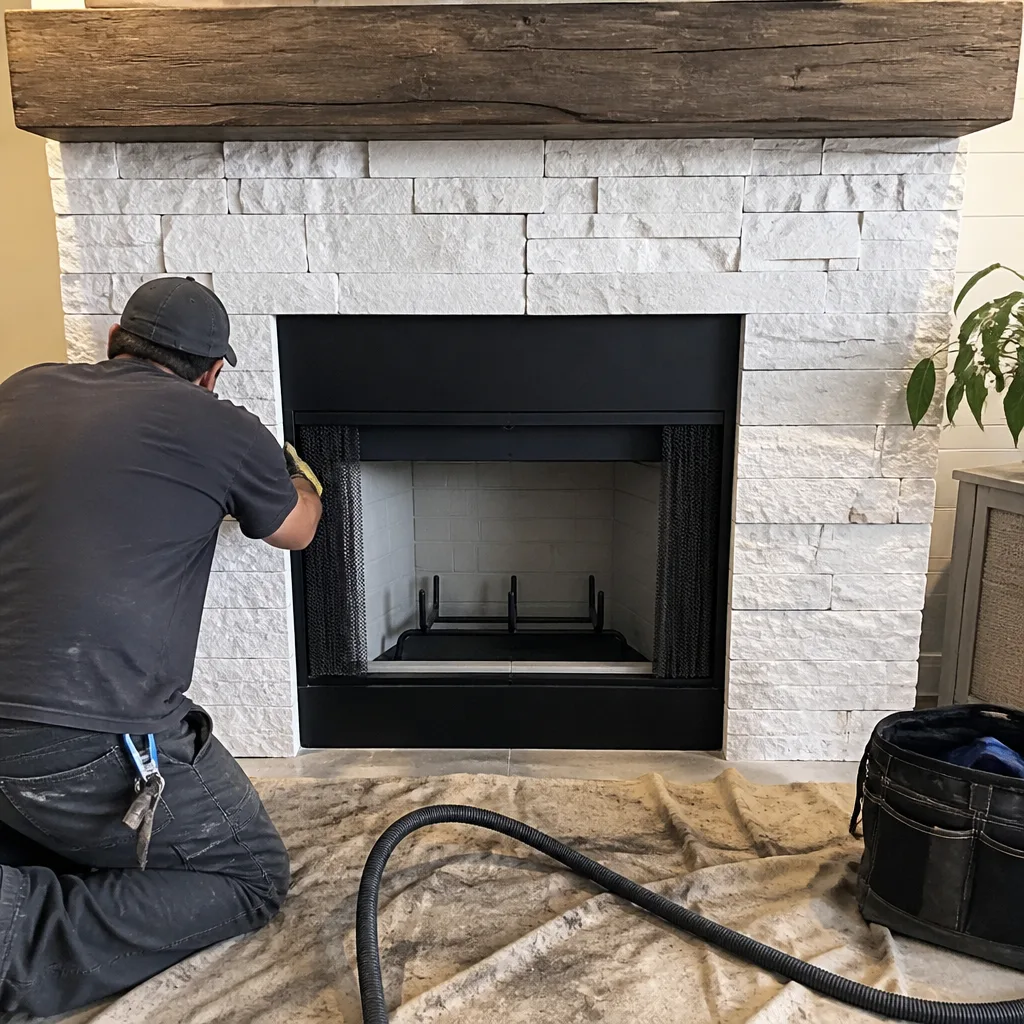
A chimney sweep is a methodical process, not a quick wave of a brush. Here is exactly what should happen when a technician cleans your chimney, and what we do on every visit at Hadley Chimney Atlanta.
- Interior preparation. The area around the fireplace is covered with drop cloths. A high-quality company protects your floors and furniture from soot and dust.
- Firebox and damper check. The technician inspects the firebox for cracked brick, checks the damper operation, and notes any visible blockages before beginning.
- Creosote removal. Depending on the stage of creosote, the technician uses wire brushes, rotary cleaning tools, or chemical treatments. Stage 1 brushes off. Stage 2 and 3 require more aggressive mechanical removal.
- Smoke chamber and smoke shelf cleaning. These are the areas just above the damper and below the flue, where creosote and debris collect. They are often skipped by cheap sweep services, which is exactly where Atlanta’s nesting problem shows up.
- Flue inspection with camera. After the cleaning, the technician runs a camera through the flue to check for cracked tiles, deteriorated mortar, water damage, and any remaining blockages. This is the step that turns a sweep into an actual inspection.
- Exterior check from the roof or ground. The crown, cap, and flashing are examined. In Atlanta’s climate, a cracked crown is an open invitation for water to enter the chimney chase and accelerate liner deterioration.
- Report and documentation. You receive a written report of what was found, what was done, and any recommendations for repair. You should also receive before-and-after photos.
That final step is where we see the biggest difference between chimney companies in Atlanta. Some leave a verbal summary. We provide a written report and a digital invoice you can pay from a link, with photos attached. The Relay Visibility Guarantee is not marketing language for us. It is the operational standard we work under, and it means live arrival tracking, before-and-after photo documentation, and a written price before any work begins. If a chimney company will not give you a written price before they start, call someone else.
What Chimney Cleaning Costs in the Atlanta Market
Chimney cleaning prices in Atlanta vary based on the company, the level of inspection, and the condition of the chimney. Here is what we currently see in the metro area:
| Service | Typical Atlanta Price Range | What It Includes |
|---|---|---|
| Standard sweep with Level 1 inspection | $150 to $250 | Brushing of the flue, firebox and smoke chamber cleaning, visual check of accessible areas |
| Sweep with Level 2 camera inspection | $250 to $400 | Everything in a standard sweep, plus a full video scan of the flue interior, attic/crawlspace access check, and written report |
| Heavy creosote removal (Stage 2 or 3) | $350 to $600 | Rotary tooling, chemical treatments, and extended labor for glazed deposits |
| Animal or nest removal | $200 to $500 | Removal of nests, droppings, or dead animals, plus sanitation of the affected area |
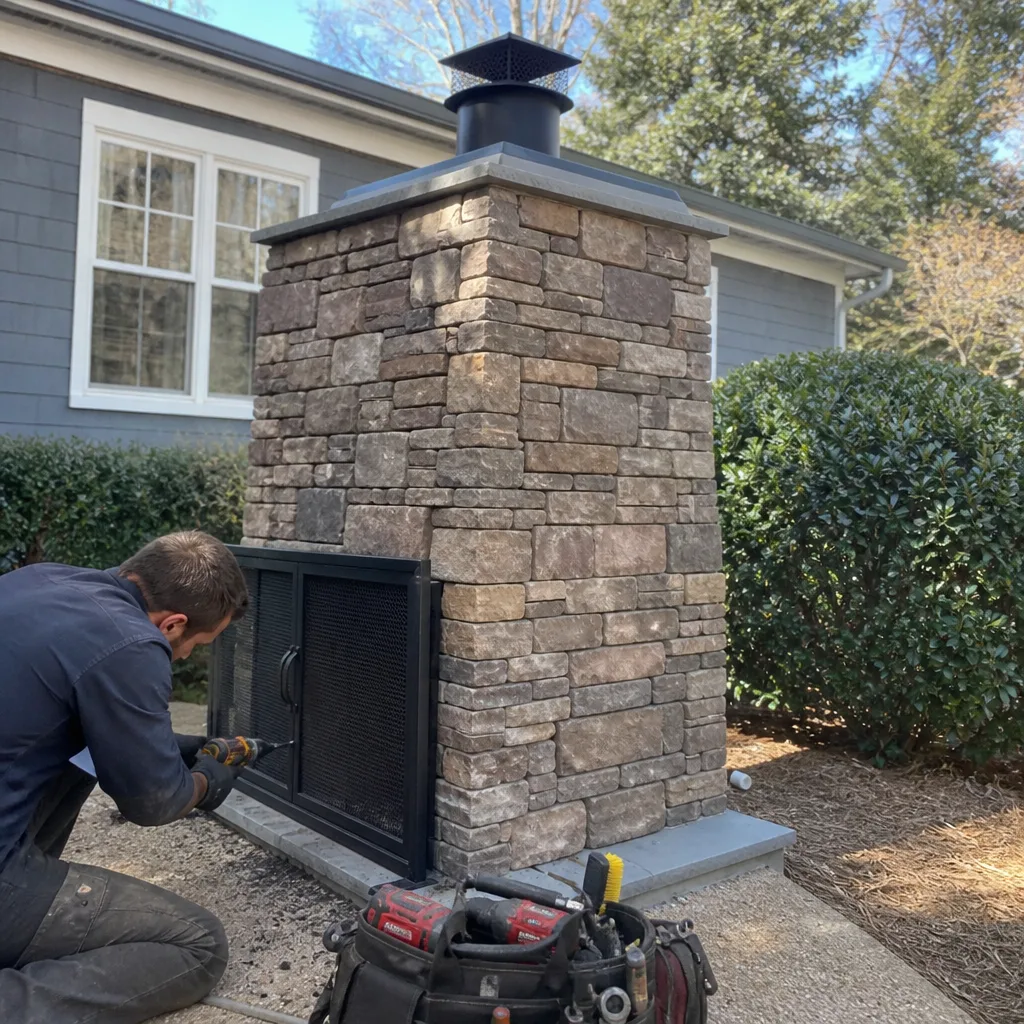
| Chimney cap supply and install | $150 to $350 | Stainless steel cap, installed with animal prevention |
| Clay tile liner repair (per tile section) | $150 to $350 per section | Depends on access and number of damaged tiles |
These are realistic Atlanta market ranges. The final cost depends on the size of the flue, the condition of the chimney, and whether repairs are needed. What matters more than the dollar amount is that you receive a written price before work begins. At Hadley Chimney Atlanta, that is how we operate on every single job, from a standard sweep to a full liner replacement. No surprises when the technician is already on the roof. Call (762) 320-6525 for an exact quote. Estimates are free.
Common Mistakes to Avoid
- Skipping an inspection because you rarely use the fireplace. In Atlanta’s climate, low use does not mean low risk. Humidity, nests, and slow masonry deterioration happen regardless. We have removed hardened glazed creosote from chimneys that burned fewer than five fires in a season.
- Using a chimney sweep log instead of hiring a professional. Those logs reduce some Stage 1 soot. They do not remove Stage 2 or Stage 3 creosote, and they do not inspect your liner. A chemical log is not a substitute for a sweep.
- Never capping the chimney. An uncapped chimney in Atlanta is a standing invitation for chimney swifts, squirrels, raccoons, and rain. A stainless steel cap is a one-time purchase that prevents most of the animal and water problems we see.
- Burning unseasoned wood. Atlanta’s humidity makes firewood drying harder than in dry climates. Wood stored uncovered outside absorbs moisture from the air. Burning wet wood creates more creosote faster. Season your wood for at least a year, and store it covered.
- Trusting a verbal report. If a chimney company tells you the liner is cracked but cannot show you a photo of the crack, get a second opinion before spending thousands on a repair. Atlanta is a large market with plenty of chimney companies. You can find one that will show you the evidence.
- Waiting until fall to schedule. September and October are the busiest months for chimney companies in Atlanta. If you call in early fall, expect a longer wait and less scheduling flexibility. Call in late spring or summer. You will get an appointment faster and avoid the rush.
- Painting or sealing the chimney brick without checking mortar joints. A coat of waterproof sealant over crumbling mortar traps moisture inside the masonry. That accelerates the freeze-thaw and humidity damage we see in older Atlanta chimneys. Fix the mortar first, then seal if appropriate.
When to Call a Professional
Call a chimney professional if you smell smoke in the house after using the fireplace, if you see black staining on the walls near the firebox, if you hear animals inside the chimney, if water drips into the firebox after rain, or if you have never had the chimney inspected in a home you have owned for more than two years. These are not cosmetic issues. Each one indicates a system that is failing in a way that could cause a chimney fire or carbon monoxide intrusion. Chimney work involves heights, masonry, and high heat, and a trained technician brings tools and experience that protect both your home and your time. Chimney Sweep in Atlanta services at Hadley Chimney Atlanta include a camera scan on every visit, a written price before work starts, and a written guarantee on every repair. If you are in Atlanta and need an honest assessment, call (762) 320-6525 for a free estimate.
Frequently Asked Questions
A standard chimney sweep in Atlanta typically costs $150 to $250, while a sweep with a Level 2 camera inspection runs $250 to $400 depending on the chimney size and condition. Heavy creosote removal can push the cost to $350 or more. The exact price depends on what the technician finds, which is why we provide a written price before any work begins. Call (762) 320-6525 for a quote on your exact chimney.
Yes, you still need an inspection, and possibly a sweep, even with light use. In Atlanta, humidity accelerates creosote hardening between fires, and the long off-season gives animals time to nest in the flue. A chimney that burns only a handful of times per season can still develop glazed creosote. Have it inspected annually and swept every 1 to 2 years. Our Seasonal Chimney Cleaning Care for Atlanta: Year-Round Homeowner’s Guide explains how to time visits through the year.
A chimney sweep removes creosote and debris from the flue, smoke chamber, and firebox. A chimney inspection checks whether the system is structurally safe, which includes the liner, crown, flashing, and clearance to combustibles. At Hadley Chimney Atlanta, every sweep includes a camera inspection because removing creosote without checking the liner does not tell you whether the chimney is safe to use.
A camera inspection will show the liner condition. Cracked clay tiles, missing mortar joints, or visible holes in the flue surface are signs replacement may be needed. In Atlanta’s older brick chimneys, these failures are common even in homes that have not had chimney fires. If we recommend liner work, we show you the camera footage so you can see the damage with your own eyes before you decide. Chimney Repair in Atlanta is a core part of what we do.
We do not recommend it. A homeowner with a brush from a hardware store can remove loose Stage 1 soot, but cannot see the flue interior well enough to catch cracked liners, deteriorating mortar, or blockages. Read our DIY vs Professional Chimney Cleaning: The Atlanta Homeowner’s Decision Guide for a full breakdown of the risks. Chimney work also involves roof access and the fine dust of creosote, which is a respiratory irritant. A trained technician with a camera and proper equipment gets a complete picture in a fraction of the time, and there is real safety risk handling creosote without proper protection.
The residue from burning wood becomes a combustible layer inside the flue. If it ignites, the chimney fire can reach 2,000 degrees and crack the liner, allowing heat and flames to reach the surrounding framing. At minimum, skipping cleaning means the chimney degrades from water and animal activity. In Atlanta’s humidity, an ignored chimney is a slow structural problem dressed up as a casual one. A sweep costs a few hundred dollars. A liner replacement or fire repair costs thousands.
Most policies cover chimney fire damage, but the claims adjuster will ask for proof of inspection and maintenance. If you cannot show documentation that the chimney was maintained, the claim may be reduced or denied. That is why we provide a written report after every visit. Having a record that a certified technician inspected and swept the chimney is the best insurance you have, beyond the policy itself. Gas Fireplace Repair in Atlanta clients get the same documentation standard.
The Bottom Line
Atlanta’s mild winters and high humidity create a unique chimney risk profile. Low fire usage does not protect your chimney. It often leaves it more vulnerable to glazed creosote, nesting, and slow liner deterioration than a chimney in a cold climate that gets steady use. The answer is a routine: an annual inspection, a sweep every 1 to 3 years depending on use, a chimney cap, and documentation of everything. A proper sweep in Atlanta costs less than most home repairs and far less than the damage it prevents. If you are ready to get your chimney checked, Hadley Chimney Atlanta home services the entire Atlanta metro area, and every visit comes with live arrival tracking, before-and-after photos, and a written price before work begins. Call (762) 320-6525 and speak to a live person. We will walk you through exactly what to expect.
Written by Cory Mitchell, Owner at Hadley Chimney Atlanta, serving Atlanta since 2003.
See the difference
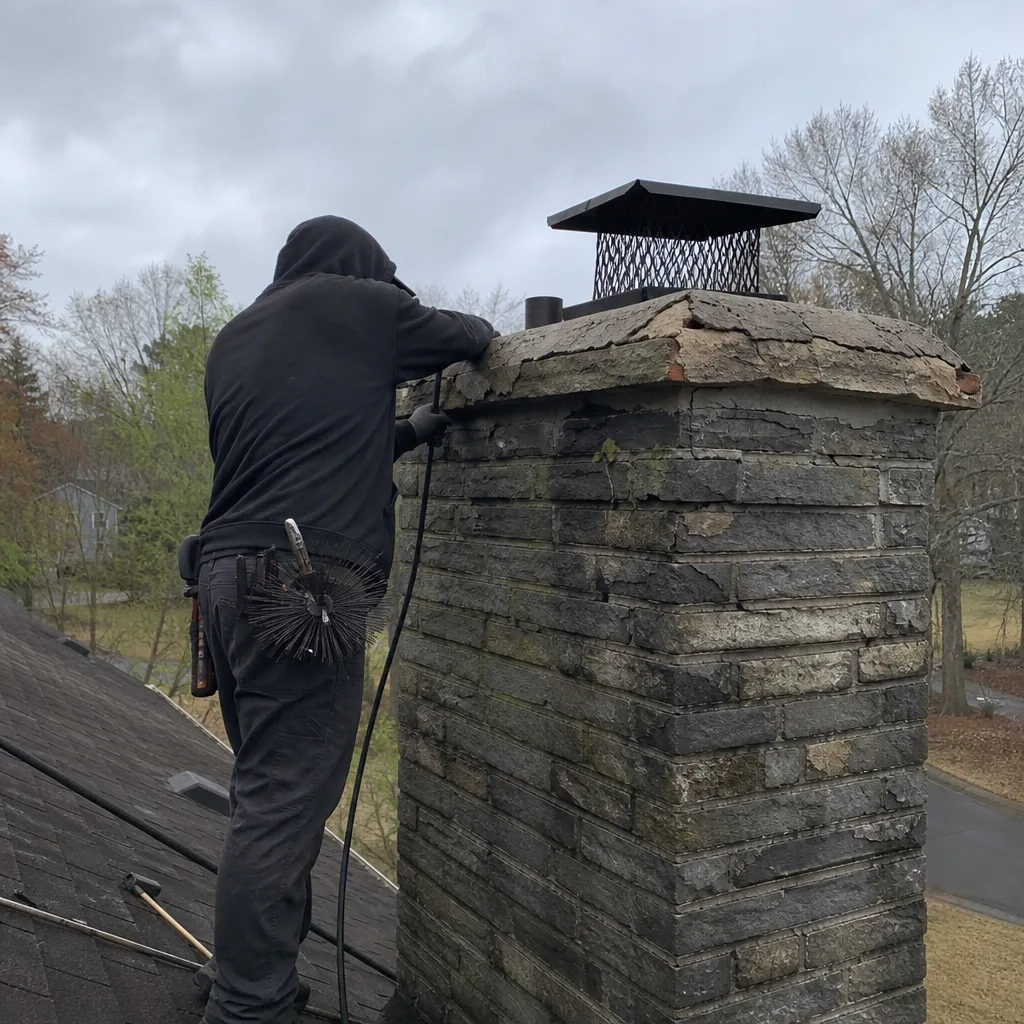 Before
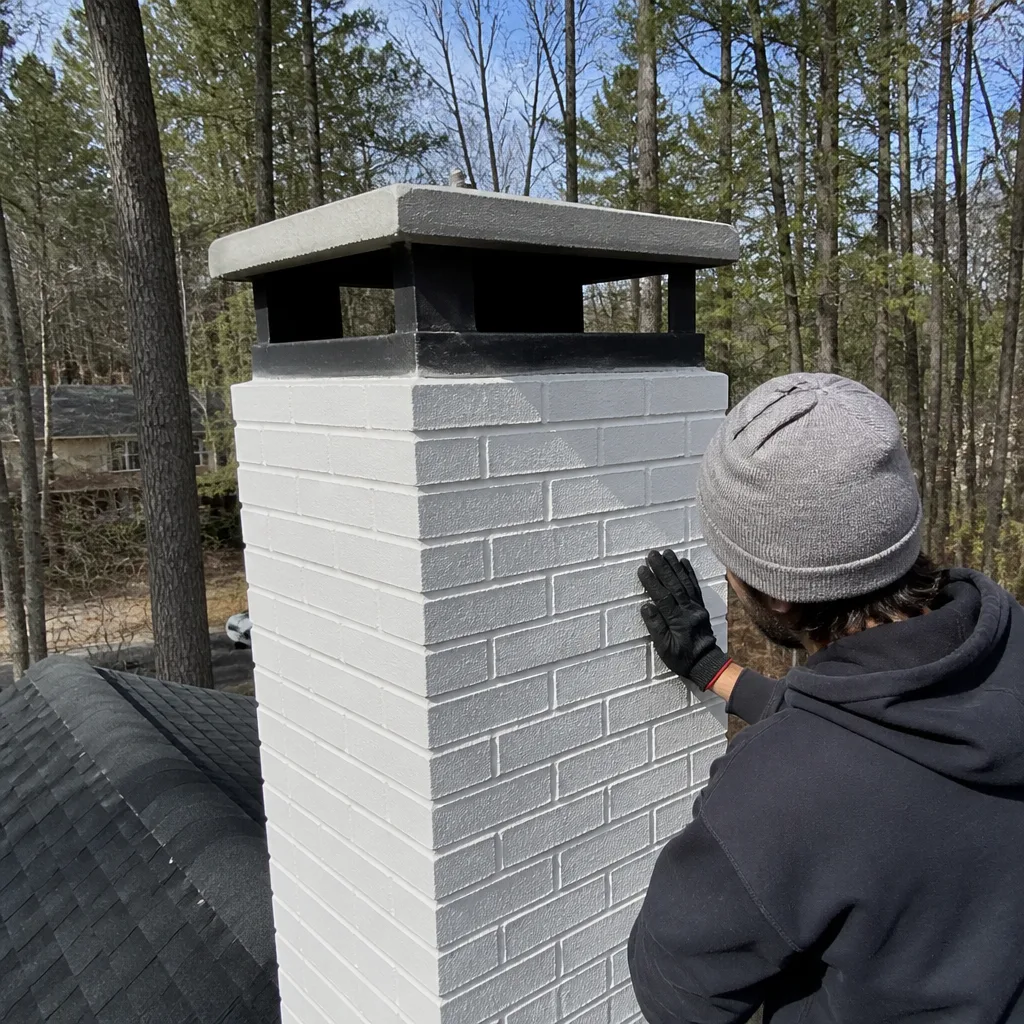 After
After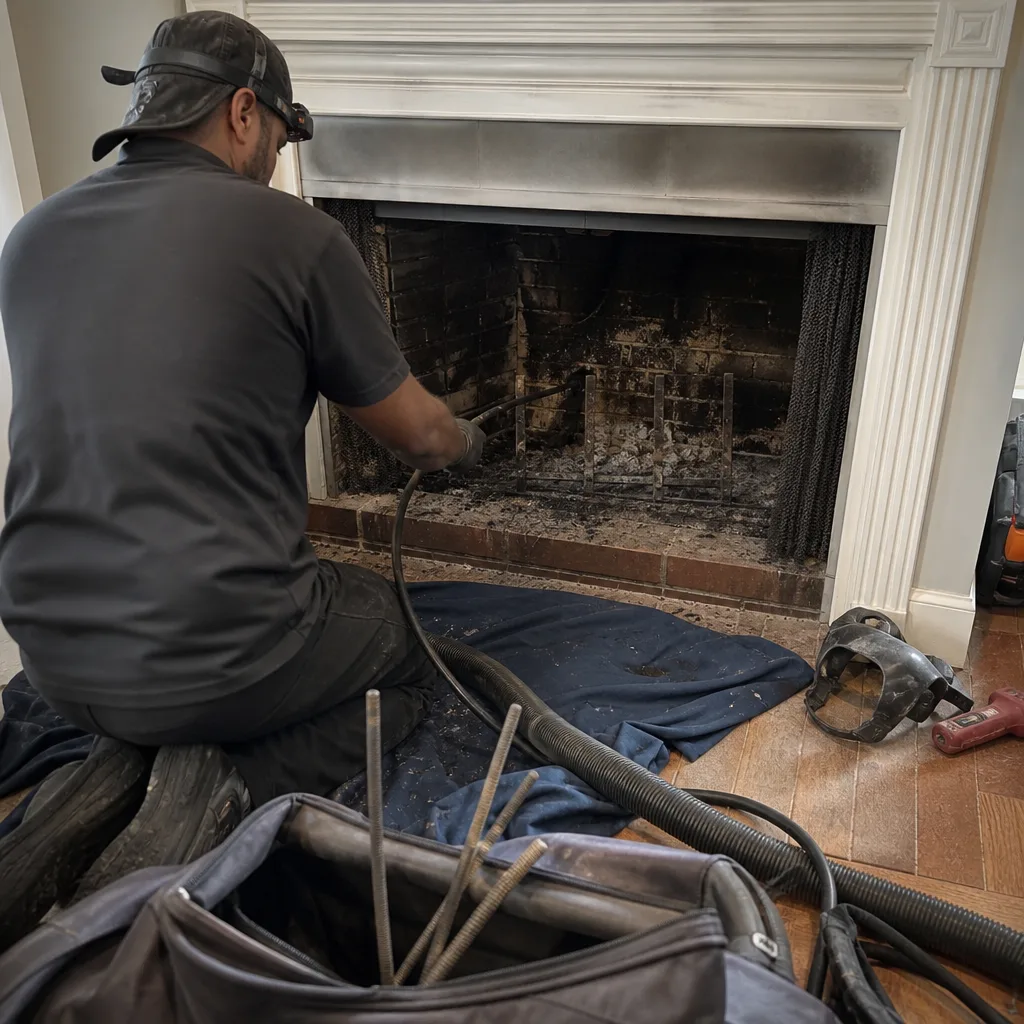 Before
 After
After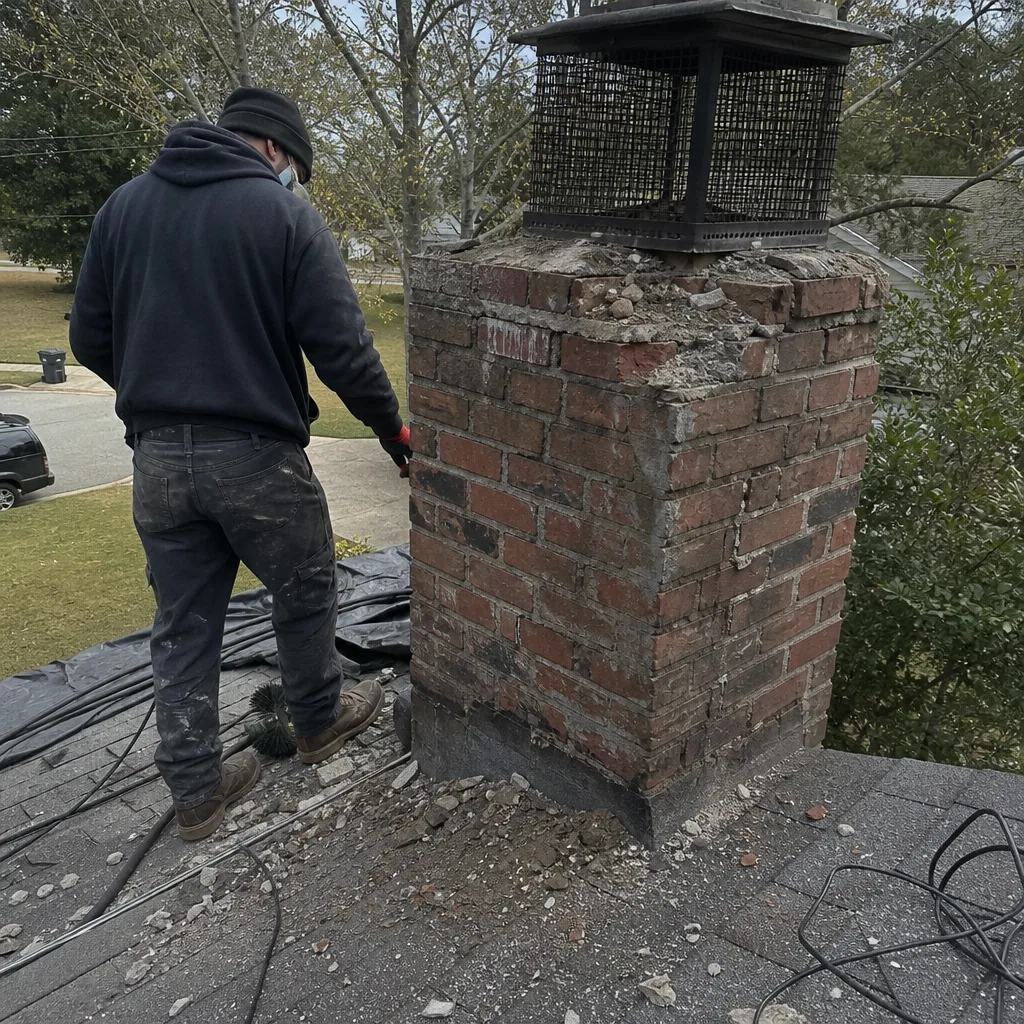 Before
 After
After